


What are the symptoms of trichomoniasis vaginitis?

Trichomonas vaginitis presents with various symptoms, including changes in vaginal discharge, pruritus and burning sensation of the external genitalia, urinary tract irritation, lower abdominal heaviness or discomfort, and dyspareunia. The causative organism—*Trichomonas vaginalis*—invades the mucosa of the genital tract, triggering localized inflammatory responses; symptom severity varies among individuals. If persistent severe lower abdominal pain or fever develops, prompt medical evaluation and treatment are strongly recommended.
1. Changes in vaginal discharge: Discharge volume increases significantly, appearing thin and frothy, typically grayish-yellow or yellow-green in color, and often accompanied by a foul odor. Continuous discharge irritates the vulvar skin, exacerbating local discomfort.
2. Pruritus and burning sensation of the external genitalia: Itching and a burning or stinging sensation occur at the vulva and vaginal introitus. The intensity of itching fluctuates, and scratching may cause skin abrasions, leading to localized erythema and edema, thereby worsening inflammation-related discomfort.
3. Urinary tract irritation symptoms: *Trichomonas* may spread to the urethra and bladder, causing urinary frequency and urgency. Some individuals experience dysuria (painful urination), and in rare cases, microscopic hematuria may be present—symptoms easily mistaken for common urinary tract infections.
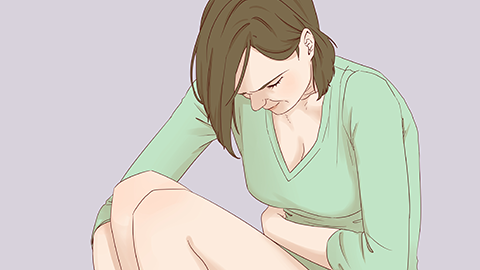
4. Lower abdominal heaviness or discomfort: As inflammation spreads, pelvic tissues become irritated, resulting in a dull, heavy sensation in the lower abdomen. Symptoms often worsen with physical exertion. Although pain is usually mild, it may be overlooked, delaying diagnosis and timely intervention.
5. Dyspareunia: Genital mucosa becomes hyperemic and edematous, causing pain upon contact during intercourse. Minor contact bleeding may also occur. This discomfort diminishes sexual satisfaction and increases the risk of transmitting the pathogen to sexual partners.
Upon diagnosis, sexual activity should be suspended. Underwear should be washed separately and thoroughly sun-dried. Spicy and irritating foods should be minimized in the diet. Patients must complete the prescribed course of treatment as directed and undergo regular follow-up vaginal discharge examinations. Appropriate preventive measures should be taken to avoid recurrent or cross-infections.


