How is cervicitis treated?
Sep 14, 2026
Source: Cainiu Health

Dr. Zhang Lu
Introduction
Cervicitis treatment includes daily care, physical therapy, topical vaginal medications, oral drugs, and surgical intervention. Inflammation arises when pathogens invade the cervical mucosa; the appropriate treatment approach is selected based on disease severity to alleviate inflammation-related discomfort. If symptoms such as profuse purulent discharge or persistent severe lower abdominal pain occur, prompt medical evaluation and treatment at a hospital are recommended.
Cervicitis treatment encompasses daily care, physical therapy, topical vaginal medications, oral medications, and surgical intervention. Inflammation arises when pathogens invade the cervical mucosa; thus, treatment strategies are selected according to disease severity to alleviate inflammation-related discomfort. If symptoms such as profuse purulent discharge or persistent lower abdominal pain occur, prompt medical evaluation and treatment at a hospital are strongly recommended.
1. Daily Care: Maintain cleanliness and dryness of the external genitalia; frequently change cotton underwear; avoid wearing tight, non-breathable clothing; and temporarily abstain from sexual intercourse to minimize ongoing bacterial irritation of the cervix and support gradual mucosal recovery.
2. Physical Therapy: Indicated for cases exhibiting cervical erosion-like changes. This modality employs physical methods (e.g., electrocautery, cryotherapy, or laser) to act directly on the affected tissue, promoting sloughing of the diseased area and regeneration of healthy tissue. After treatment, closely monitor vaginal discharge and ensure appropriate local protection.
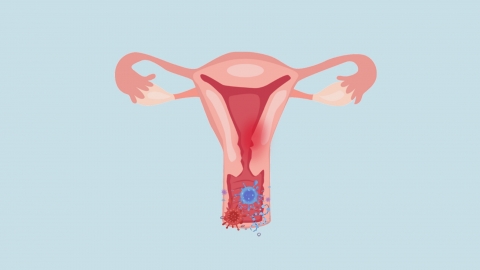
3. Topical Vaginal Medications: Following external genital cleansing, insert the prescribed medication deep into the vagina so it acts directly on the cervical lesion, suppressing local pathogen proliferation. Complete the full course of treatment as prescribed—do not discontinue therapy prematurely upon symptom improvement.
4. Oral Medications: Select appropriate anti-infective agents based on the identified pathogen. Systemically absorbed drugs help control inflammatory spread. During treatment, monitor for any bodily changes and strictly adhere to the physician’s instructions regarding dosage and duration.
5. Surgical Treatment: Employed when cervical polyps or suspicious lesions are present. The procedure involves excision of the abnormal tissue. Postoperatively, protect the wound site diligently and schedule regular follow-up examinations to assess cervical healing and screen for lesion recurrence.
Undergo routine cervical screening, maintain a light and balanced diet, limit intake of spicy or irritating foods, monitor changes in vaginal discharge characteristics, and seek timely medical evaluation for any abnormalities—these measures collectively help stabilize the genital tract environment and reduce the risk of recurrent inflammation.