


Can I still have children after premature ovarian failure?

Spontaneous pregnancy in women with premature ovarian failure (POF) is extremely rare. These individuals experience diminished ovarian function and a significant decline in ovarian follicle reserve, leading to irregular menstrual cycles or even amenorrhea—greatly increasing the difficulty of natural conception. A small number of patients with mild POF may achieve pregnancy following standardized lifestyle and medical interventions. Sudden cessation of menstruation or prolonged infertility warrants prompt medical evaluation and treatment.
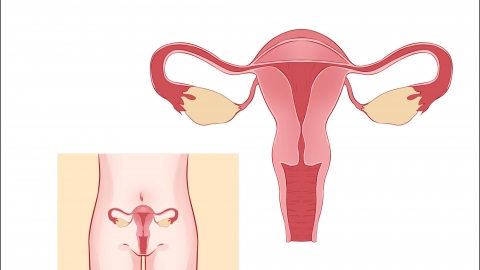
Premature ovarian failure refers to the early decline of ovarian function before age 40, characterized by rapid depletion of ovarian follicles and dysregulation of hormone secretion. Clinical manifestations include amenorrhea, hot flashes, and fatigue. Under natural conditions, follicles fail to develop and ovulate normally, making fertilization highly unlikely. Clinically, hormonal regulation can help stabilize endocrine function and improve ovarian performance, enabling some patients with mild POF to regain baseline ovulatory function.
In severe cases of POF, the ovarian follicle pool is nearly exhausted, rendering spontaneous conception extremely improbable. Assisted reproductive technologies (ART), tailored to the individual’s physical condition, may be employed to fulfill fertility goals. Early intervention for endocrine imbalances—combined with regular sleep-wake cycles and emotional stability—can slow the progression of ovarian functional decline and enhance the likelihood of successful conception.
Maintain regular daily routines and emotional equilibrium; engage in moderate physical activity; and follow a light, balanced diet to support endocrine health and sustain overall physiological stability.


