


What Is Endometriosis?

Endometriosis is a common gynecological disorder characterized by the growth of endometrial tissue outside the uterine cavity, leading to symptoms such as dysmenorrhea, menstrual irregularities, and pelvic discomfort. As the disease progresses, it alters the pelvic environment and interferes with normal fertility. Worsening dysmenorrhea or abnormal uterine bleeding during menstruation warrants prompt medical evaluation and intervention.
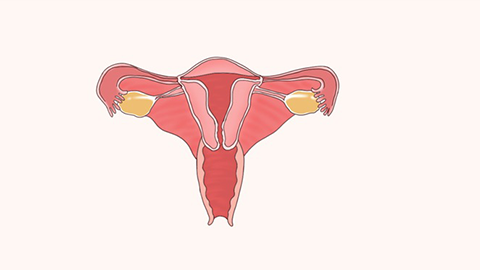
Under normal conditions, the endometrium lines the uterine cavity and undergoes cyclical shedding—regulated by hormonal fluctuations—to form menstruation. However, various factors may cause endometrial tissue to implant ectopically in locations such as the ovaries, pelvic peritoneum, or other abdominal sites. These ectopic lesions respond to hormonal changes by proliferating and bleeding, thereby triggering inflammation and adhesions in surrounding tissues. Mild cases can often be managed medically, using hormonal therapies to suppress abnormal endometrial proliferation and alleviate menstrual symptoms.
In more severe cases, patients may develop pelvic adhesions and ovarian endometriomas (chocolate cysts), which chronically compromise reproductive health—resulting in menstrual disturbances and impaired fertility. For patients meeting surgical indications, laparoscopic excision or ablation of ectopic lesions and lysis of pelvic adhesions are recommended. Postoperative hormonal therapy is typically prescribed to consolidate treatment effects, reduce recurrence risk, and preserve normal pelvic and reproductive function.
Maintaining regular sleep patterns and engaging in moderate physical activity help stabilize hormonal balance. During menstruation, adequate warmth should be maintained, and consumption of cold or raw foods avoided, to minimize pelvic congestion and reduce the frequency of associated discomfort.


