


How is endometriosis treated?

Endometriosis treatment encompasses daily lifestyle adjustments, physical interventions, pharmacological therapy, minimally invasive surgery, and radical surgery. Cyclical bleeding from ectopic endometrial tissue stimulates pelvic tissues; therefore, treatment plans are individualized based on the patient’s age, extent of lesions, and fertility requirements to alleviate pain and improve associated symptoms. If sudden, severe abdominal pain or intra-abdominal hemorrhage occurs, prompt medical evaluation and treatment at a hospital are strongly recommended.
1. Daily Lifestyle Adjustments: Regulate daily routines to stabilize endocrine function. During menstruation, maintain abdominal warmth, avoid vigorous exercise and heavy physical labor, and reduce intake of cold, raw, or spicy foods. These measures help relieve pelvic congestion-related pain and slow disease progression.
2. Physical Interventions: Apply heat therapy (e.g., warm compresses) and physiotherapy to improve local pelvic blood circulation and alleviate chronic pelvic pain caused by tissue adhesions. Such interventions serve primarily as adjunctive therapies for symptom relief but cannot eliminate ectopic lesions; thus, they must be combined with other therapeutic modalities.
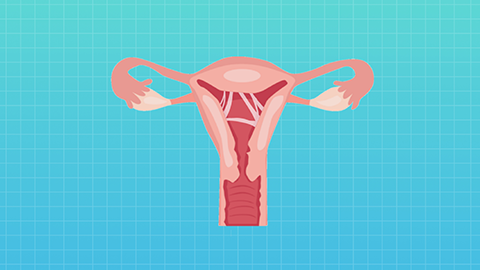
3. Pharmacological Therapy: Hormonal medications are used to suppress ovarian function, thereby reducing endometrial proliferation and cyclical bleeding, controlling lesion growth, and alleviating dysmenorrhea and pelvic discomfort. Patients must undergo regular monitoring of systemic responses during treatment and must not adjust dosage or discontinue medication without medical guidance.
4. Minimally Invasive Surgery: Laparoscopic procedures are performed to separate pelvic adhesions and excise ectopic lesions while preserving the uterus and ovaries—ideal for patients desiring future fertility. Postoperative follow-up is essential to monitor for lesion recurrence and to implement appropriate consolidation management.
5. Radical Surgery: Hysterectomy with bilateral oophorectomy removes the primary estrogen-producing organs, thereby eliminating the hormonal stimulus for continued growth of ectopic endometrium. This approach is generally reserved for older patients without fertility requirements whose condition has recurred repeatedly and progressively worsened. Postoperative monitoring of hormonal changes is critical.
Regular gynecologic examinations should be maintained. Daily emotional stability, avoidance of sleep deprivation, proper menstrual hygiene, and timely evaluation of abdominal pain or menstrual abnormalities are all vital. Treatment strategies should be selected according to individual fertility goals to effectively control disease progression.


