


At what age do women typically experience menopause?

The typical age range for natural menopause in women is 45 to 55 years, with an average age of approximately 49. Individual physical constitution and lifestyle factors can influence the timing of menopause; variations of several years earlier or later are considered within the normal range. However, if menopause occurs unusually early or is accompanied by severe physical discomfort, prompt medical evaluation is recommended.
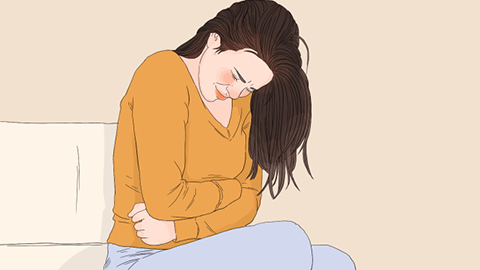
Menopause signifies the natural decline of ovarian function—characterized by gradual depletion of the ovarian follicle reserve and a sustained decrease in hormone secretion—ultimately resulting in the permanent cessation of menstruation. Some women experience a transitional phase known as perimenopause for several years prior to menopause, during which symptoms such as irregular menstrual cycles, variable menstrual flow (sometimes heavy, sometimes light), hot flashes, and insomnia may occur. When the body struggles to adapt to these perimenopausal changes, standardized interventions—including hormonal regulation—can help stabilize hormone levels and alleviate associated discomfort.
Unhealthy lifestyle habits—including chronic sleep deprivation, excessive weight loss, and gynecological disorders—may accelerate ovarian functional decline and lead to premature menopause. Clinically, ovarian status is assessed through hormonal testing, and personalized management plans are formulated accordingly. Preserving ovarian function can delay the onset of menopause and mitigate various physical symptoms experienced during the perimenopausal period.
In daily life, maintaining a balanced diet, engaging in regular physical activity, adhering to consistent sleep-wake rhythms, managing psychological stress, and supporting stable endocrine function collectively contribute to a smoother transition through the perimenopausal stage.


