


How to Get Rid of Pimples Quickly

Acne can be treated rapidly through daily skin care, physical acne treatments, topical anti-acne medications, oral anti-inflammatory drugs, and incision and drainage of abscesses. Acne commonly arises from excessive sebum production, follicular obstruction, and bacterial infection. A combination of these approaches helps accelerate inflammation resolution and shorten recovery time. If you experience widespread cyst rupture or severe facial swelling and pain, seek prompt medical attention at a hospital.
1. Daily Skin Care: Use gentle facial cleansers to remove excess oil; maintain basic hydration to support the skin barrier; reduce intake of sugary and fried foods; maintain regular sleep patterns and avoid staying up late—these measures help decrease continuous sebum secretion by the sebaceous glands.
2. Physical Acne Treatments: Procedures such as red-blue light therapy and chemical peels (e.g., glycolic acid) help reduce intra-follicular inflammation, unclog obstructed follicular openings, improve oily skin conditions, and expedite resolution of inflamed, red pimples. Multiple sessions are typically required to achieve and sustain optimal results.
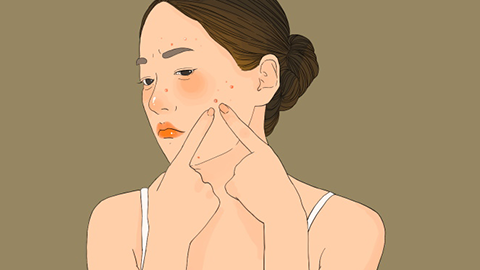
3. Topical Anti-Acne Medications: Apply appropriate topical formulations directly onto acne lesions to normalize keratinized follicular structure, suppress local bacterial proliferation, and alleviate erythema and inflammation. Use consistently as directed; avoid combining multiple irritating topical agents, which may damage the skin.
4. Oral Anti-Inflammatory Medications: When acne involves extensive inflammation or presents with severe flare-ups, oral medications may be prescribed under professional guidance to regulate sebum production and suppress systemic inflammatory responses. Monitor your physical condition closely during treatment, and never adjust dosage without medical supervision.
5. Abscess Drainage: For large, deep-seated acne abscesses, incision and drainage may be performed to evacuate accumulated pus, thereby reducing localized infection. This procedure is suitable for lesions that have already formed an abscess cavity. Post-procedure wound care is essential to minimize scarring.
When outdoors, apply sun protection to prevent post-acne hyperpigmentation. Avoid squeezing acne lesions manually. Maintain emotional stability and continuously monitor your skin condition. After inflammation resolves, continue diligent skin maintenance to help prevent future acne outbreaks.


