


How to Treat Facial Melasma in Women

Facial hyperpigmentation (melasma or age spots) in women can be effectively managed through a combination of daily sun protection, physical lightening treatments, topical depigmenting agents, oral regulatory medications, and aesthetic medical procedures. Facial pigmentation is commonly triggered by ultraviolet (UV) radiation exposure, hormonal fluctuations, and melanin deposition; therefore, multimodal interventions help suppress melanin production and gradually lighten existing spots. If pigmented lesions rapidly enlarge, ulcerate, or bleed within a short period, prompt medical evaluation and treatment are strongly recommended.
1. Daily Sun Protection and Skin Care: Practice rigorous photoprotection—combine physical barriers (e.g., wide-brimmed hats, UV-blocking sunglasses, and protective clothing) with broad-spectrum sunscreen—to minimize UV-induced melanin synthesis. Maintain regular sleep patterns to avoid chronic sleep deprivation, consume a balanced diet rich in various vitamins, and stabilize endocrine function to prevent progressive worsening of pigmentation.
2. Physical Pigment-Lightening Treatments: Procedures such as intense pulsed light (IPL) therapy and chemical peels (e.g., glycolic acid) target the epidermis to accelerate turnover of melanin-laden keratinocytes and fragment pigment granules. Gradual lightening of various types of hyperpigmentation can be achieved, though multiple sessions are typically required to sustain stable results.
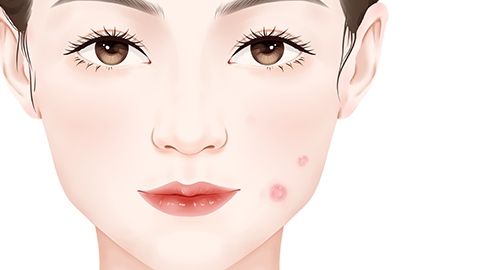
3. Topical Depigmenting Agents: Apply prescribed topical formulations directly onto affected areas to inhibit tyrosinase activity and reduce melanocyte function, thereby decreasing melanin synthesis. Consistent long-term use is essential for optimal outcomes; monitor skin tolerance closely during treatment to avoid adverse reactions such as erythema or desquamation.
4. Oral Regulatory Medications: When systemic hormonal imbalances or sluggish pigment metabolism are identified, oral medications may be prescribed under professional supervision to improve overall metabolic homeostasis and reduce melanin accumulation. Regular follow-up assessments are mandatory during treatment; self-administration or prolonged unsupervised use is strictly discouraged.
5. Aesthetic Medical Procedures: For persistent, deep-seated pigmentation, laser-based treatments (e.g., Q-switched lasers) can effectively shatter dermal pigment particles, which are subsequently cleared via natural physiological metabolic processes. Post-procedure skin repair and barrier restoration are critical to minimize the risk of post-inflammatory hyperpigmentation (PIH).
Additionally, maintaining emotional stability, minimizing chronic stress and anxiety, using gentle cleansing techniques, practicing year-round sun protection, regularly monitoring changes in spot morphology, and seeking timely dermatological evaluation upon noticing any abnormalities are all vital components of comprehensive pigment management.


