


What Are the Treatment Options for Allergic Dermatitis?

Management of allergic dermatitis includes avoiding triggers in daily life, physical soothing care, topical anti-inflammatory medications, oral antihistamines, and targeted local treatment for refractory skin lesions. Upon contact with allergens, the skin mounts an inflammatory response, leading to erythema and pruritus. A comprehensive, multimodal approach helps reduce cutaneous inflammation and alleviate associated discomfort. If widespread rash or respiratory distress occurs, prompt medical evaluation and treatment at a hospital are strongly recommended.
1. Avoidance of Triggers: Carefully identify and eliminate potential allergens in daily life—such as pollen, house dust mites, and irritating cleansers or personal care products. Opt for soft, breathable clothing; minimize scratching to reduce ongoing external irritation and lower the risk of recurrent dermatitis.
2. Physical Soothing Care: When pruritus and erythema occur, apply a cool, damp towel to the affected area to reduce local hyperemia and soothe burning or discomfort. Avoid hot water bathing, as elevated temperatures may exacerbate cutaneous inflammation.
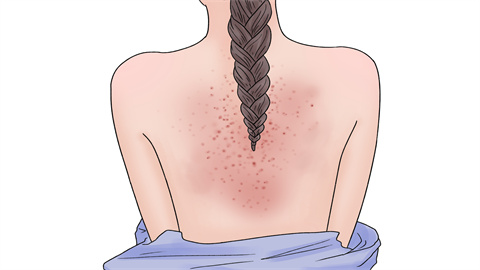
3. Topical Anti-inflammatory Medications: After cleansing the skin, apply appropriate topical agents to the affected areas to reduce localized erythema and pruritus and promote repair of the damaged epidermis. Apply gently; before extensive use, assess skin tolerance.
4. Oral Antihistamines: For widespread rashes or severe pruritus, oral antihistamines may be prescribed under professional guidance to suppress systemic allergic responses and relieve generalized cutaneous symptoms. Monitor your condition closely during treatment, and do not self-administer long-term without medical supervision.
5. Local Management of Refractory Lesions: In cases of chronic, recurrent dermatitis with lichenified (thickened, rough) skin changes, specialized local interventions may be performed alongside pharmacotherapy to facilitate lesion resolution, mitigate lichenification, and enable ongoing assessment of skin recovery.
When bathing, use mild, non-irritating cleansers; limit bath duration; maintain a clean, well-ventilated living environment; manage emotional stress effectively; and avoid nervous system overstimulation—which can trigger pruritus—to reduce the recurrence risk of allergic dermatitis.


