


What should I do about severe acne scarring on my face?

Extensive acne scarring (atrophic scars) can be effectively managed through daily skincare maintenance, physical exfoliation treatments, topical repair medications, laser aesthetic therapies, and subcutaneous fillers. Acne scars result from inflammatory damage to the dermis during active acne, leading to depressed skin lesions. Multiple therapeutic approaches aim to stimulate collagen regeneration, gradually smoothing out these depressions. If you experience facial lesions with redness, swelling, infection, or persistent pain, seek prompt medical evaluation and treatment at a hospital.
1. Daily Skin Maintenance: Use gentle cleansers to minimize skin irritation; maintain consistent hydration and sun protection to prevent UV-induced pigmentary abnormalities. Ensure regular sleep patterns and balanced nutrition to support normal skin metabolism and create a stable environment conducive to collagen repair.
2. Physical Exfoliation Treatments: Chemical peels using glycolic acid or salicylic acid act on the epidermal layer to accelerate keratinocyte turnover and mildly stimulate the dermis, thereby promoting collagen synthesis and improving superficial scarring. Multiple sessions are required for progressive enhancement of skin smoothness.
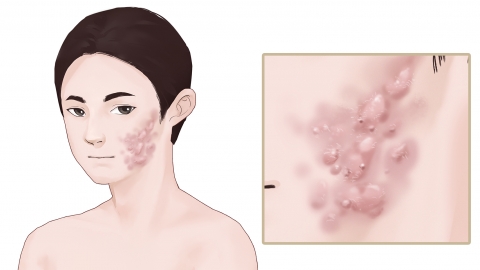
3. Topical Repair Medications: Apply targeted repair formulations directly onto scarred areas to improve epidermal condition and assist in repairing superficial tissue. This approach is particularly effective for shallow acne scars but requires long-term, consistent application and careful monitoring of clinical changes.
4. Laser Aesthetic Therapy: Fractional laser treatment targets the dermis, creating microscopic thermal zones that trigger new collagen formation to fill in depressed scars of varying depths. Post-treatment skincare is essential to minimize the risk of post-inflammatory hyperpigmentation.
5. Subcutaneous Filler Correction: For deeper, more pronounced acne scars, injectable fillers are administered into the subcutaneous layer to physically lift and support the depressed area, rapidly improving facial contour irregularities. As fillers are gradually metabolized over time, periodic assessment and potential re-treatment may be necessary.
Avoid frequent touching of the face, refrain from squeezing active or residual acne lesions, consistently apply broad-spectrum sunscreen when outdoors, maintain a stable lifestyle, and continue diligent skincare routines—these measures help reduce new acne formation and prevent further development of atrophic scarring.


