


What are the symptoms of erythrodermic psoriasis?

Erythrodermic psoriasis is characterized by widespread erythema and edema of the skin, extensive scaling, burning sensation and pruritus, abnormal body temperature, and mucosal involvement. It commonly develops from unstable plaque psoriasis triggered by inappropriate external stimuli. The inflammatory process spreads extensively across the skin, leading to systemic discomfort. If persistent high fever or generalized edema occurs, prompt medical evaluation and treatment at a hospital are strongly recommended.
1. Generalized skin erythema and swelling: Large areas of skin exhibit diffuse redness with indistinct borders; accompanying edema causes thickening of the skin tissue. Pre-existing psoriatic plaques become obscured by the erythematous lesions, which may involve most of the body surface area.
2. Extensive scaling: Fine, flaky scales continuously shed from affected areas. Scaling recurs persistently, often resulting in abundant scale accumulation on clothing. The skin barrier remains chronically compromised, leading to progressive loss of proteins through desquamation.
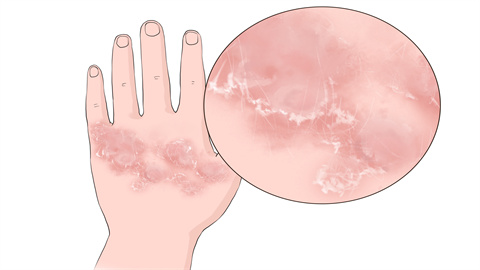
3. Burning sensation and pruritus: Affected areas produce a distinct burning sensation accompanied by mild-to-severe pruritus. Skin sensitivity increases markedly; even minor friction from clothing or ambient temperature fluctuations can exacerbate discomfort and interfere with daily activities and rest.
4. Abnormal body temperature: Thermoregulation becomes impaired, predisposing patients to low-grade or persistent fever. Heat dissipation mechanisms are disrupted, and some individuals may experience chills. Overall metabolic demand increases significantly.
5. Mucosal involvement: Mucosal surfaces—including the oral cavity and conjunctiva—may also be affected, presenting with hyperemia and dryness. Conjunctival inflammation frequently develops upon ocular involvement; if progression continues, the eyelids may become involved, causing further systemic discomfort.
Maintain appropriate indoor temperature and humidity; wear soft, loose-fitting clothing to minimize friction; avoid using irritating cleansers or skincare products; ensure adequate nutritional intake; and minimize exposure to all forms of external skin irritants.


