


Can acne be treated by applying topical medication?

Acne can be treated with topical medications. For most mild cases, topical therapy is the primary intervention and effectively addresses issues such as clogged pores and inflammatory redness and swelling. Different acne types require specific topical formulations; inappropriate use may irritate facial skin. If acne becomes widespread with pus formation or repeatedly worsens, prompt medical consultation is essential.
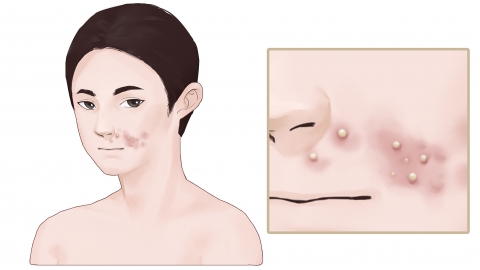
Mild acne primarily presents as comedones (blackheads and whiteheads) and a few papules. Appropriate topical application helps unclog hair follicles, suppress excessive sebum production by sebaceous glands, and reduce cutaneous inflammatory responses. Commonly used topical agents regulate keratinocyte turnover, clear obstructed pores, and inhibit bacterial proliferation on the skin surface. Consistent, regular application—combined with basic skincare—can gradually resolve superficial acne lesions.
Moderate-to-severe acne features numerous inflammatory nodules and pustules. Topical monotherapy offers limited efficacy and slower resolution. Clinically, oral medications are often added to complement topical treatment, targeting deeper dermal inflammation. Continued maintenance therapy after lesion clearance helps reduce the risk of acne recurrence and minimizes post-acne sequelae such as hyperpigmentation and atrophic scarring.
In daily life, maintain facial cleanliness and freshness; adhere to a light, balanced diet; follow regular sleep schedules and avoid staying up late. These habits help stabilize skin metabolism, reduce sebum accumulation, strengthen the skin barrier, and lower the likelihood of recurrent acne.


