


What Are the Symptoms of Shingles?

Shingles typically presents with prodromal localized pain, erythematous papules, clustered vesicles, neuralgia at the affected site, and persistent discomfort following crusting of skin lesions. The varicella-zoster virus invades both nerves and skin, producing a range of abnormal manifestations along the course of affected nerves. The condition is more likely to occur when the body’s immune function is compromised. If symptoms such as ocular rash or persistent high fever develop, prompt medical evaluation and treatment at a hospital are strongly recommended.
1. Prodromal localized pain: Before the appearance of skin rash, patients often experience dull, stabbing, or burning pain at the affected site—symptoms frequently mistaken for visceral or muscular disorders. Visible skin lesions typically emerge only after several days of such prodromal pain.
2. Erythematous papules: Affected skin areas develop patchy erythema, upon which small red papules gradually appear. These papules usually distribute unilaterally along a single dermatome and rarely cross the midline of the body.
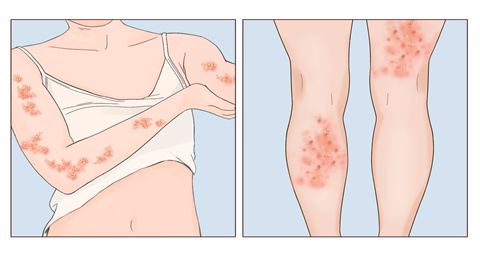
3. Clustered vesicles: Papules rapidly progress into taut, fluid-filled vesicles containing clear serous fluid. Vesicles appear in clusters and are tender to touch; surrounding skin often exhibits erythema and swelling.
4. Neuralgia at the affected site: Nerve damage causes diverse types of pain—including lancinating (stabbing) or burning sensations—even light contact, such as from clothing friction, may trigger severe pain. Pain intensity varies among individuals depending on constitutional factors.
5. Post-lesional discomfort following crusting: Over time, vesicles dry and crust spontaneously. After crusts slough off, some individuals continue to experience prolonged neuralgic pain (postherpetic neuralgia), and residual pigmentary changes in the skin may also occur.
During the active phase of illness, keep the affected skin area clean and dry; avoid spicy or irritating foods; ensure adequate sleep to support immune function; and refrain from touching or scratching vesicles to prevent secondary infection due to skin breakdown.


