


How to treat shé chán yāo (herpes zoster)?

“Snake缠腰” (Shé Chán Yāo), commonly known as shingles, is caused by the varicella-zoster virus (VZV). Management strategies include daily skin care, physical therapy for symptom relief, topical antiviral medications, oral antiviral drugs, and targeted interventions for neuropathic pain. As VZV infection damages both skin and nerves, a multimodal approach helps alleviate discomfort and accelerate lesion healing. If symptoms such as ocular involvement or persistent high fever occur, prompt medical evaluation and treatment at a hospital are strongly recommended.
1. Daily Skin Care: During the active phase of illness, ensure adequate rest to bolster immune function. Keep the affected skin clean and dry; wear loose-fitting, soft clothing to minimize friction and irritation of lesions. Adopt a light, bland diet and avoid spicy or stimulating foods.
2. Physical Therapy for Symptom Relief: Red-light therapy or localized cold compresses can improve local microcirculation, reduce burning sensations and swelling, soothe damaged nerves, alleviate acute pain, and promote crusting and drying of vesicles.
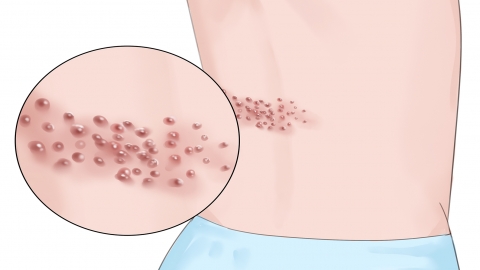
3. Topical Antiviral Medications: After gently cleansing and drying the affected area, apply antiviral ointments or creams directly onto the rash. This delivers targeted antiviral activity to the lesion site, suppresses local viral replication, prevents further rash spread, and supports gradual healing of damaged skin.
4. Oral Antiviral Medications: Initiate prescribed oral antiviral therapy early in the disease course under professional guidance. This inhibits systemic viral replication, limits ongoing neural damage, shortens overall disease duration, and reduces the risk of postherpetic neuralgia (PHN).
5. Neuropathic Pain Management: Implement targeted interventions—such as pharmacologic or non-pharmacologic therapies—for stabbing or burning nerve pain. These measures help mitigate recurrent pain resulting from nerve injury, improve sleep quality and functional capacity, and reduce overall pain-related distress.
Maintain emotional stability; avoid scratching or squeezing vesicles. Monitor rash progression regularly, maintain balanced nutritional intake, adhere consistently to supportive care measures, and thereby lower the likelihood of developing postherpetic neuralgia.


