


Is “snake缠 waist” the same as herpes zoster?
Sep 15, 2026
Source: Cainiu Health

Dr. Liu Wenmin
Introduction
“Snake缠腰” (literally “snake encircling the waist”) is herpes zoster (shingles), caused by reactivation of the varicella-zoster virus. After onset, clusters of vesicles appear along the distribution of affected nerves, accompanied by severe neuropathic pain. The virus remains latent in dorsal root ganglia and tends to reactivate when immunity is compromised. If the rash continues to spread and the pain becomes unbearable, prompt medical attention is essential.
“Snake-wrapping waist” is the colloquial term for herpes zoster (shingles), caused by reactivation of the varicella-zoster virus (VZV). After onset, clusters of vesicles develop along the distribution of affected nerves, accompanied by severe neuropathic pain. The virus remains latent in dorsal root ganglia and tends to reactivate when immune function declines. If the rash continues to spread and the pain becomes unbearable, prompt medical attention is essential.
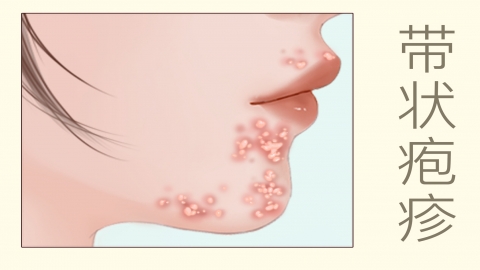
Upon invading nerves, the virus causes neural damage, resulting in erythematous plaques and vesicles on the skin surface—typically confined to one side of the body and never crossing the midline. Early in the disease course, antiviral medications can suppress viral replication; combining these with neurotrophic agents helps mitigate nerve damage and reduces the risk of postherpetic neuralgia (PHN).
In some individuals, neuropathic pain persists even after the skin lesions have resolved, leading to chronic pain. Avoid puncturing vesicles or scratching the affected area; if vesicles rupture, maintain local wound cleanliness to minimize the risk of secondary bacterial infection. Elderly patients and those with compromised immunity should initiate pharmacological intervention as early as possible following diagnosis.
Maintain regular sleep-wake cycles, consume a balanced and nutritious diet, engage in moderate physical activity to bolster immune resilience, and wear loose-fitting, soft-textured clothing to minimize friction and irritation at the affected site.



