


Is dermatographic urticaria serious?

Most cases of dermatographism (skin writing) are mild and represent a type of cutaneous allergic reaction. After the skin is scratched, rubbed, or otherwise mechanically stimulated, localized raised red welts appear, often accompanied by itching. In mild cases, only cosmetic changes to the skin occur; however, when widespread, outbreaks may cause significant discomfort. Frequent rash episodes warrant prompt medical evaluation.
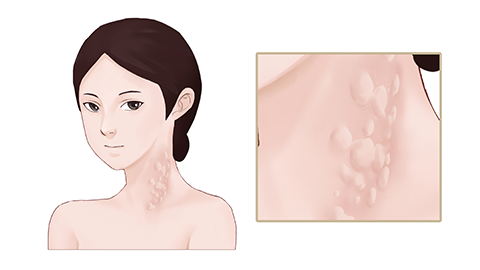
This condition is also known as “artificial urticaria.” Mechanical stimulation of the skin triggers mast cells to release inflammatory mediators, resulting in localized edema and wheals. For mild cases, minimizing skin irritation is often sufficient, and long-term medication is typically unnecessary. When itching is extensive or episodes occur frequently, antihistamines are recommended to control symptoms and reduce the frequency of wheal formation.
Disease duration varies significantly among individuals—some patients experience symptoms for several months or even years. Isolated dermatographism generally does not affect internal organs; however, if symptoms such as chest tightness or abdominal pain develop, this may indicate disease progression and requires immediate medical attention. During treatment, medications must be taken regularly as prescribed—self-discontinuation should be avoided to minimize the risk of symptom recurrence.
In daily life, wear loose-fitting, soft clothing; avoid scratching or rubbing the skin; maintain emotional stability; and prevent rapid increases in body temperature—all of which help reduce the likelihood of developing dermatographic lesions and wheals.


