


How long after an abortion can one eat spicy food?

It is recommended to wait one month after an induced abortion before consuming spicy foods. Eating spicy foods too soon may stimulate pelvic blood vessel dilation, increase bleeding volume, prolong bleeding duration, and easily trigger abdominal heaviness or discomfort. The uterine wound requires time to heal postoperatively; thus, maintaining a light diet facilitates recovery. Seek medical attention promptly if bleeding increases or abdominal pain progressively worsens.
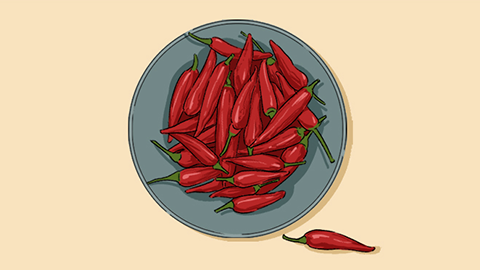
The irritants in chili peppers can promote pelvic congestion, impair endometrial wound healing, and increase the likelihood of abdominal pain and prolonged, scanty vaginal bleeding (spotting). In the early postoperative period, gastrointestinal function is relatively weak; spicy foods may further irritate the gastrointestinal mucosa, causing gastric pain or diarrhea. During recovery, prioritize high-quality protein sources and fresh fruits and vegetables, while minimizing intake of all types of irritating foods.
Individuals with weaker constitutions may experience slower wound healing, necessitating further delay before reintroducing spicy foods. Only after completing the one-month follow-up examination—confirming good uterine recovery, absence of bleeding or inflammation—should small amounts of spicy foods be cautiously trialed. When first reintroducing spice, strictly control portion size and closely monitor bodily responses; discontinue immediately if any discomfort arises.
In daily life, ensure adequate rest, maintain proper external genital hygiene, guarantee sufficient nutritional intake, and sustain emotional stability—all of which support gradual endometrial repair and accelerate the return of overall physical health to normal levels.


