


What Are the Symptoms of Threatened Abortion?

Threatened abortion may present with symptoms including light vaginal bleeding, mild lower abdominal pain, lumbosacral aching, absence of significant cervical dilation, and diminished pregnancy symptoms. During early pregnancy, the embryo is relatively unstable, making it susceptible to various abnormal manifestations; timely intervention can help preserve the pregnancy. If vaginal bleeding increases or severe abdominal pain develops, prompt medical evaluation and treatment are strongly recommended.
1. Light vaginal bleeding: The blood is typically pink, brown, or dark red in color, with volume less than that of a normal menstrual period. Bleeding may occur intermittently or as spotting—often one of the earliest and most readily noticeable signs.
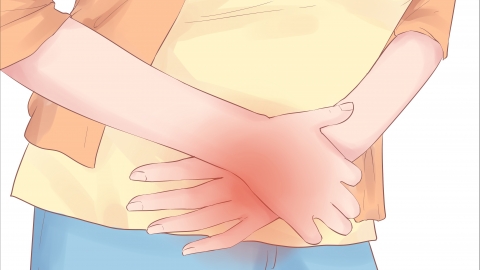
2. Mild lower abdominal pain: Uterine stimulation triggers contractions, resulting in a sensation of heaviness or intermittent dull pain in the lower abdomen. Pain intensity varies; some individuals experience only a mild feeling of pelvic pressure, which may be mistaken for gastrointestinal discomfort.
3. Lumbosacral aching: As the uterus changes position, it stretches surrounding tissues, causing dull, achy discomfort in the lower back and sacral region. Symptoms typically worsen with physical exertion and improve partially with rest.
4. Absence of significant cervical dilation: During gynecological examination, the external cervical os remains closed, with no expulsion of gestational tissue. This distinguishes threatened abortion from inevitable abortion and indicates potential for pregnancy preservation.
5. Diminished pregnancy symptoms: Some individuals notice reduced nausea or decreased breast tenderness—early pregnancy signs that may lessen due to hormonal fluctuations. However, this symptom alone should not be used for diagnosis; it must be interpreted in conjunction with other clinical findings.
Minimize physical activity and prioritize bed rest; maintain emotional stability; suspend all strenuous physical activities; closely monitor changes in vaginal bleeding and abdominal pain; consume a light, balanced diet; and strive to maintain overall physiological stability.


