


Is a red rash on the skin an allergic reaction?

Red rashes on the skin are not always caused by allergic reactions. Although allergies are a common trigger, infections, damp-heat irritation, and skin inflammation—among other factors—can also cause rashes. Skin symptoms and appropriate management strategies vary significantly depending on the underlying cause; therefore, rash treatment should never be based solely on assumptions of allergy. If a rash spreads rapidly or is accompanied by fever or general discomfort, prompt medical evaluation is essential.
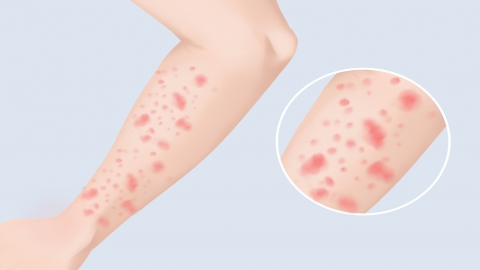
Allergic rashes typically develop after exposure to an allergen and are characterized by itching and generalized skin redness. Symptoms usually subside gradually once the allergen is removed. For recurrent episodes, standardized antiallergic medications may be used under medical guidance, alongside gentle skincare practices to reinforce the skin barrier and reduce the frequency of rash recurrence. Such allergic rashes generally resolve without leaving post-inflammatory hyperpigmentation.
Infectious rashes result from viral or bacterial infections and are often accompanied by systemic symptoms such as fever and fatigue. The rash tends to be evenly distributed across affected areas and is usually associated with minimal or no pruritus. Localized rashes may also arise from damp-heat conditions, insect bites, or seborrheic dermatitis. These conditions require targeted antimicrobial or anti-inflammatory therapy; antiallergic medications alone will not alleviate symptoms.
In daily life, maintain clean, dry skin; wear breathable, skin-friendly clothing; avoid irritants such as pollen, dust, and plant allergens; follow a balanced diet and regular sleep schedule; and strengthen the skin barrier function—all of which help lower the risk of developing various types of skin rashes.


