


How is alopecia areata treated?

Alopecia areata can be managed through lifestyle adjustments, physical therapies, topical medications, oral medications, and hair transplantation. Proper, standardized treatment can help promote hair regrowth. If extensive hair loss or multiple new patches of hair loss appear, prompt medical consultation and treatment are recommended.
1. Lifestyle adjustments: Maintain a regular sleep schedule, avoid prolonged熬夜 (sleep deprivation), regulate emotional well-being, and prevent chronic mental stress. Ensure adequate dietary intake of protein and trace elements; limit high-fat, high-salt foods to reduce the body’s sustained stress response.
2. Physical therapies: Localized stimulation techniques—such as low-level laser therapy or microneedling—can improve scalp blood circulation and enhance nutrient supply to hair follicles, thereby creating a favorable environment for hair growth. Consistent, long-term application is required to observe noticeable effects. During treatment, monitor scalp sensation closely; discontinue use immediately if persistent redness or swelling occurs.
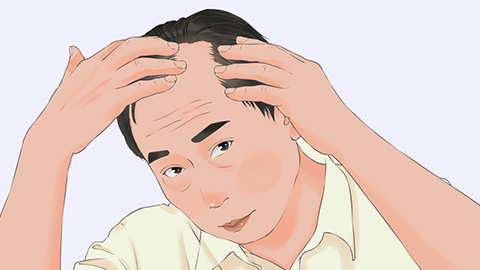
3. Topical medications: Apply medication directly to affected areas to stimulate follicular activity and mitigate local immune-mediated damage. Use consistently according to prescribed treatment cycles, and monitor changes in scalp condition and hair regrowth. Some individuals may experience transient scalp redness; discontinue use if persistent discomfort develops.
4. Oral medications: For widespread alopecia areata, systemic medications may be prescribed to modulate immune function and reduce ongoing follicular damage. During treatment, conduct regular health monitoring, strictly follow physician instructions regarding dosage and duration, and never adjust medication doses independently to prevent disease relapse.
5. Hair transplantation: Patients with stable alopecia areata may consider hair transplant surgery—harvesting healthy follicles from donor areas and grafting them into balding regions. Postoperatively, practice gentle scalp care, minimize friction or trauma to the transplanted area, and allow time for newly grafted follicles to establish vascular connections, supporting natural hair growth.
Avoid frequent hair perming and dyeing; select mild, non-irritating shampoos; wash hair gently without vigorous scalp scrubbing or scratching. Engage regularly in light outdoor activities to relieve stress, monitor changes in affected areas periodically, and maintain a balanced, stable daily routine.


