


What Are the Treatment Methods for Melasma?

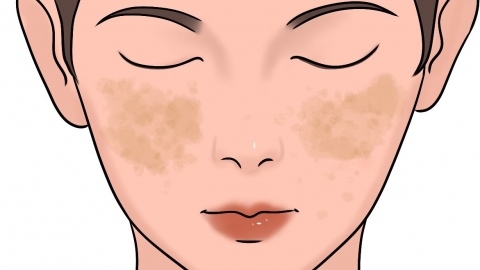
Chloasma (melasma) can be improved through daily sun protection, physical therapies, topical medications, oral medications, and medical aesthetic peeling treatments. Consistent, long-term intervention can gradually lighten facial pigmented patches. If you notice rapid expansion of pigmented spots or local skin ulceration, seek prompt medical evaluation and treatment.
1. Daily Sun Protection and Skin Care:
Minimize direct UV exposure to the face; wear protective clothing and use sun-blocking accessories (e.g., wide-brimmed hats, sunglasses, umbrellas) when outdoors. Maintain regular sleep patterns and adjust your diet to stabilize endocrine function, thereby reducing ongoing melanin synthesis and preventing further darkening of existing pigmentation.
2. Physical Therapies:
These utilize targeted photothermal energy to fragment melanin granules within the skin, facilitating their natural metabolic clearance by the body. Following treatment, the skin barrier becomes temporarily compromised; therefore, consistent moisturization and rigorous sun protection are essential. Avoid high-temperature environments for a short period post-treatment to minimize the risk of pigment rebound.
3. Topical Medications:
Apply prescribed formulations directly to affected areas to inhibit melanin production and gradually lighten superficial pigmentation. Monitor skin response closely during use; if persistent erythema or scaling occurs, reduce application frequency. Consistent, full-course adherence is required to achieve visible improvement.
4. Oral Medications:
For extensive chloasma, systemic agents may be prescribed to modulate whole-body metabolism and suppress melanogenesis. Regular monitoring of relevant physiological parameters is mandatory during treatment. Do not extend the duration of medication use without medical supervision, as hormonal fluctuations may compromise therapeutic efficacy.
5. Medical Aesthetic Peeling Treatments:
Mild chemical peeling agents accelerate exfoliation of the pigmented epidermal layer, resulting in brighter, more even-toned skin. Post-procedure, the skin undergoes a recovery phase: avoid irritating skincare products, minimize facial friction, and prioritize hydration to reduce the risk of post-inflammatory hyperpigmentation.
Maintain emotional stability, avoid late-night activities, and limit intake of photosensitizing foods. Use gentle cleansers and avoid frequent exfoliation. Practice daily sun protection consistently to minimize all potential triggers that may exacerbate facial pigmentation.


