


Can I take painkillers for dysmenorrhea?

Menstrual cramps can be alleviated with analgesics. For primary dysmenorrhea, analgesics effectively relieve abdominal colic and low back or sacral aching. These medications act rapidly, and short-term, standardized use is generally considered safe. In contrast, for secondary dysmenorrhea, analgesics provide only temporary symptom relief and do not address the underlying cause. If pain progressively worsens or is accompanied by abnormal uterine bleeding, prompt medical evaluation is essential.
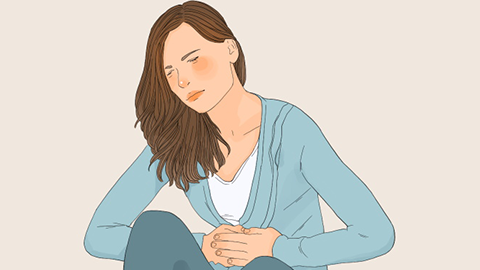
Primary dysmenorrhea is commonly caused by elevated prostaglandin levels during menstruation, leading to intense uterine contractions. It typically manifests as a sensation of heaviness or dull pain in the lower abdomen just before or during menses. Nonsteroidal anti-inflammatory drugs (NSAIDs) inhibit prostaglandin synthesis, thereby reducing uterine spasms and shortening the duration of pain. It is recommended to take these medications as soon as pain begins. To minimize gastrointestinal irritation—especially when taken on an empty stomach—they should ideally be taken with a small amount of food.
Secondary dysmenorrhea results from pathological conditions such as endometriosis or adenomyosis. Pain tends to intensify progressively over time, and the efficacy of analgesics gradually diminishes. Endometriosis may be managed medically to regulate endometrial growth; surgical intervention may be necessary in selected cases. Relying solely on analgesics risks masking the true clinical picture, potentially delaying diagnosis and appropriate management of the underlying disorder.
During menstruation, maintaining abdominal warmth, drinking warm beverages, minimizing intake of cold or raw foods, engaging in gentle, moderate physical activity, and practicing relaxation techniques can all help alleviate discomfort associated with uterine spasms.


