


Can you eat mangoes during menstruation?

It is generally safe to consume mangoes in moderation during menstruation. Mangoes do not possess hemostatic properties and will not directly cause reduced menstrual flow or impaired menstrual discharge.
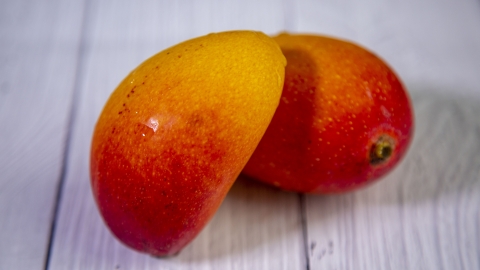
Mangoes are rich in natural sugars, vitamins, and minerals; moderate consumption can help replenish energy and alleviate fatigue associated with menstruation. However, individuals with sensitive or weak gastrointestinal function should avoid consuming large quantities at once, as mangoes are considered “cooling” in nature—excessive intake may trigger abdominal distension or diarrhea. Those with a known history of mango allergy must strictly avoid this fruit to prevent allergic reactions.
The widely circulated claim that mangoes can stop bleeding lacks scientific evidence. Menstrual flow variations are primarily influenced by hormonal fluctuations, sleep patterns, and emotional states. If abnormal menstrual volume occurs, underlying endocrine or uterine conditions should be investigated. Hormonal imbalances can be managed pharmacologically to stabilize the endometrium and restore normal menstrual bleeding volume.
During menstruation, opt for fruits at room temperature, control portion sizes per serving, minimize intake of chilled foods, ensure adequate rest, manage stress, maintain endocrine stability, and reduce gastrointestinal discomfort.


