


Is hepatic ascites serious?

Ascites (fluid accumulation in the abdominal cavity) is a serious hepatic complication commonly observed in the middle-to-late stages of liver cirrhosis, indicating a marked decline in hepatic metabolism and compensatory function. Elevated portal venous pressure and hypoalbuminemia lead to fluid retention within the peritoneal cavity, signifying progression to the decompensated phase of liver disease. Patients may experience worsening abdominal distension and lower-limb edema—prompt medical evaluation is essential.
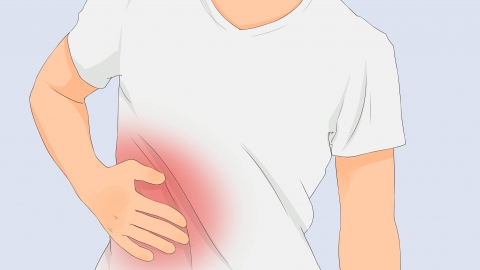
Ascites results from chronic liver injury; as liver function deteriorates, insufficient synthesis of plasma proteins alters vascular oncotic pressure, causing excess fluid to accumulate in the peritoneal cavity. Mild ascites can often be managed by restricting dietary sodium intake, administering diuretics to promote fluid excretion, and supplementing albumin to alleviate intra-abdominal fluid accumulation.
With ongoing disease progression, refractory ascites may develop—characterized by poor response to standard diuretic therapy—and may precipitate complications such as spontaneous bacterial peritonitis and hepatorenal syndrome. Clinically, therapeutic paracentesis (fluid drainage), targeted hepatoprotective interventions, and supportive measures are employed to slow hepatic functional decline, control disease progression, and reduce the risk of life-threatening complications.
In daily life, patients should adhere to a low-sodium, bland diet; restrict fluid intake appropriately; ensure adequate rest; abstain completely from alcohol and tobacco; and regularly monitor their health status—to stabilize liver function and minimize the recurrence of ascites.


