


What Should You Pay Attention to If You Have Hypertension?

Managing hypertension requires attention to dietary control, regular blood pressure monitoring, consistent moderate exercise, emotional stability, and standardized medication use. Comprehensive management helps maintain stable blood pressure levels and reduces the risk of various complications. If symptoms such as severe headache or blurred vision occur, seek prompt medical evaluation and treatment.
1. Dietary Control:
Reduce dietary sodium intake—avoid pickled foods and processed meats—and increase consumption of fresh vegetables and whole grains. Limit intake of fats and added sugars to maintain a healthy weight, thereby reducing vascular stress and supporting blood pressure regulation.
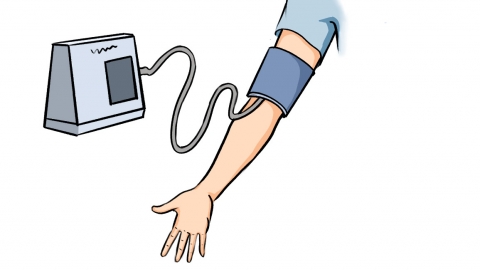
2. Regular Blood Pressure Monitoring:
Use a home blood pressure monitor to record readings at fixed times daily—ideally upon waking and in the evening. Maintain accurate records to track fluctuations over time, better understand your body’s patterns, and provide objective data for adjusting your management plan.
3. Consistent Moderate Exercise:
Engage regularly in gentle physical activities such as brisk walking, slow jogging, or tai chi. Maintain a consistent schedule and moderate intensity—avoid vigorous exertion that may strain blood vessels. Long-term adherence improves vascular elasticity and promotes stable blood pressure.
4. Emotional Stability:
Minimize large emotional swings and avoid chronic anxiety or sudden outbursts of anger. Intense emotions can trigger vasoconstriction and transient blood pressure spikes. Cultivating inner calm and employing healthy stress-management techniques helps lower the risk of acute hypertensive events.
5. Standardized Medication Use:
Follow your physician’s instructions precisely—do not reduce dosage or discontinue medications without medical guidance. Take prescribed drugs consistently at scheduled times, monitor for any side effects or adverse reactions, and attend routine outpatient follow-ups to allow timely adjustments to your treatment regimen based on clinical assessment.
Ensure adequate sleep, avoid staying up late, quit smoking and alcohol, minimize external stressors that chronically irritate blood vessels, and undergo regular comprehensive health checkups to reduce the risk of organ damage caused by hypertension.


