


What Early Symptoms of Coronary Heart Disease Are Often Overlooked?

Early symptoms of coronary heart disease (CHD) are often overlooked and may include chest tightness after physical activity, vague upper abdominal pain, discomfort in the shoulders or back, shortness of breath, and unexplained fatigue. These symptoms tend to be mild and typically subside with rest—leading many individuals to dismiss them as ordinary tiredness or gastrointestinal issues. However, if persistent chest pain, cold sweats, or other alarming symptoms occur, prompt medical evaluation and treatment are strongly recommended.
1. Chest tightness after physical activity:
Following exertion or emotional stress, individuals may experience a sensation of tightness or pressure in the chest. This discomfort usually subsides gradually after stopping activity and resting briefly. Because episodes are brief, many people fail to recognize their significance and mistakenly attribute them to normal physical fatigue.
2. Vague upper abdominal pain:
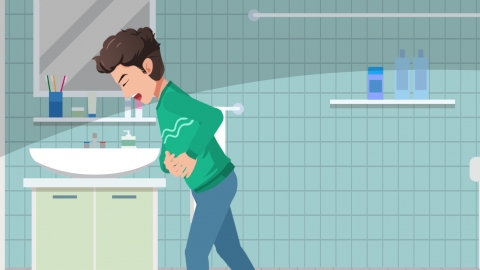
Inadequate blood supply to the heart can cause referred discomfort in the upper abdomen, manifesting as dull, aching pain or a feeling of fullness or bloating. Such symptoms are easily mistaken for gastritis or indigestion. Notably, there is typically no obvious acid reflux or identifiable gastric pathology, and symptoms do not significantly improve after eating.
3. Shoulder and back discomfort:
A dull, heavy, or achy sensation may develop in the left shoulder or upper back—often without sharp or intense pain. Symptoms frequently worsen with physical exertion and gradually ease with rest. Most individuals do not associate such discomfort with cardiac abnormalities.
4. Shortness of breath:
Even minimal physical activity may trigger noticeable breathlessness and an accelerated respiratory rate; symptoms often become more pronounced when lying flat. If pulmonary examinations reveal no significant abnormalities, this dyspnea may reflect reduced myocardial perfusion and diminished cardiac pumping capacity.
5. Unexplained fatigue:
Individuals may feel unusually exhausted—even during routine daily activities—and find it difficult to recover energy despite adequate sleep. This persistent fatigue results from insufficient oxygen delivery to the myocardium and subsequent systemic hypoxia, making it an easily missed early warning sign of CHD.
To help prevent progression of coronary artery disease, maintain a heart-healthy lifestyle: limit dietary intake of salt and saturated fats; ensure regular, consistent sleep patterns; avoid tobacco and alcohol; and routinely monitor blood lipid and glucose levels—thereby minimizing ongoing vascular injury and slowing the advancement of coronary atherosclerosis.


