


What Warning Signs Does the Body Exhibit Before a Myocardial Infarction?

Before a myocardial infarction (heart attack) occurs, the body may send early warning signals—including chest tightness or pain, radiating discomfort in the shoulders and back, shortness of breath, unexplained fatigue, and gastrointestinal disturbances. Many of these symptoms appear intermittently and may temporarily subside with rest, making them easy to overlook. However, if persistent chest pain, profuse sweating, or other severe symptoms occur, prompt medical evaluation and treatment at a hospital are strongly advised.
1. Chest Tightness or Pain:
A sensation of pressure or constriction develops in the chest—often triggered by physical exertion or emotional stress—and typically lasts several minutes before subsiding spontaneously. Over time, episodes become more frequent and the discomfort progressively intensifies; this should not be mistaken for ordinary fatigue.
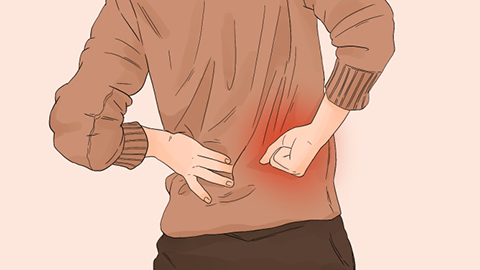
2. Radiating Discomfort in the Shoulders and Back:
The discomfort spreads to the left shoulder, upper arm, neck, and jaw—not necessarily accompanied by severe pain. Symptoms worsen during physical strain or emotional excitement but gradually ease with rest and quiet, often leading individuals to incorrectly attribute them to muscle strain.
3. Shortness of Breath:
Even mild physical activity triggers a sensation of inadequate oxygen supply, resulting in rapid, labored breathing. Some individuals experience this most prominently when lying flat. Pulmonary examination reveals no obvious abnormalities; this symptom reflects reduced myocardial blood supply and diminished cardiac pumping capacity.
4. Unexplained Fatigue:
Fatigue persists despite absence of strenuous physical activity, and adequate sleep fails to restore energy levels. Reduced myocardial perfusion impairs systemic oxygen delivery, leading to chronic fatigue—a subtle yet significant early warning sign frequently underestimated.
5. Gastrointestinal Disturbances:
Patients may experience upper abdominal fullness, nausea, and sometimes vomiting—symptoms easily misattributed to gastric disorders. These gastrointestinal complaints are commonly triggered by exertion rather than dietary indiscretion (e.g., consumption of contaminated food), and do not improve with standard gastrointestinal treatments.
In daily life, maintain a light, balanced diet; regularly monitor blood pressure and lipid levels; quit smoking and alcohol; cultivate emotional stability; avoid intense physical activity; and undergo routine cardiac evaluations to reduce the risk of acute cardiovascular events.


