


What Is an Artificial Heart?

Artificial hearts are medical devices designed to replace or assist the heart’s blood-pumping function, primarily used in patients with end-stage heart failure to compensate for impaired cardiac contractility and pumping capacity. They help sustain normal systemic circulation and prolong life. Patients experiencing refractory heart failure or recurrent symptoms such as chest tightness and shortness of breath should seek timely medical evaluation.
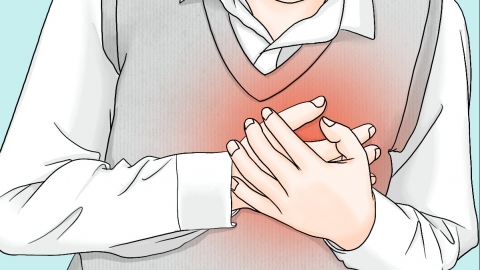
Artificial hearts are categorized into two main types: ventricular assist devices (VADs) and total artificial hearts (TAHs). Both can assume the role of a diseased heart in delivering oxygenated blood throughout the body, thereby ensuring adequate perfusion and oxygenation of vital organs. In end-stage heart failure, cardiac function is severely compromised; conventional pharmacotherapy and standard surgical interventions cannot reverse disease progression, and multiple organs often suffer from inadequate blood supply. Implantation of an artificial heart can correct circulatory failure and stabilize essential life-sustaining physiological parameters.
For some patients, an artificial heart serves as a “bridge-to-transplant,” supporting them until a suitable donor heart becomes available; others may rely on the device long-term for survival. Postoperatively, lifelong anticoagulation therapy is required to prevent thrombus formation and reduce the risk of device-related complications. Regular monitoring of device performance and physiological parameters is essential to maintain stable cardiovascular function.
In daily life, patients should maintain regular sleep-wake cycles and engage in gentle, low-intensity physical activity; manage stress and preserve emotional stability; adhere to a light, nutritionally balanced diet; avoid excessive fatigue and infectious exposures; and consistently support overall organ function to ensure optimal compatibility with the artificial heart’s operation.


