


How many premature heartbeats warrant clinical concern?

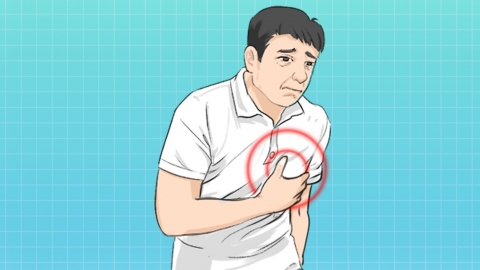
There is no absolute, fixed numerical threshold for premature ventricular contractions (PVCs) that universally warrants concern. Clinical assessment must consider the type of premature beats, underlying cardiac status, and associated symptoms. For instance, several thousand PVCs per day without symptoms—and with normal cardiac structure—may only require regular follow-up. Conversely, even a small number of PVCs accompanied by chest tightness or presyncope (near-fainting) should raise clinical suspicion. Persistent palpitations or chest pain necessitate prompt medical evaluation.
In some individuals, 24-hour Holter monitoring reveals fewer than 10,000 PVCs, with preserved cardiac structure and no subjective symptoms. These cases are often linked to modifiable triggers such as sleep deprivation, psychological stress, or excessive intake of strong tea. Pharmacologic treatment is typically unnecessary. Lifestyle modifications—including improved sleep hygiene, stress reduction, and avoidance of stimulants—often lead to a reduction in PVC burden. Periodic ambulatory electrocardiographic (ECG) monitoring is sufficient to track arrhythmic trends.
Intervention becomes indicated when 24-hour PVC burden exceeds 10,000, or when PVCs cause palpitations, dyspnea, or structural cardiac changes (e.g., left ventricular dilation). First-line management involves antiarrhythmic medications to suppress PVC frequency. If pharmacologic therapy proves ineffective or poorly tolerated, catheter-based radiofrequency ablation may be considered to eliminate the ectopic focus and reduce PVC recurrence.
In daily life, minimize consumption of strong tea and coffee; ensure adequate and consistent sleep; manage emotional stress; avoid prolonged, high-intensity physical exertion; and maintain autonomic nervous system stability—all to mitigate known precipitants of premature beats.


