


Can dilated cardiomyopathy be completely cured?

Dilated cardiomyopathy (DCM) cannot be completely cured and is a chronic, progressive cardiac disease characterized by irreversible enlargement and structural damage to the heart. Clinical management focuses on halting disease progression, improving cardiac function, and enhancing quality of life. Patients experiencing symptoms such as chest tightness, shortness of breath, or lower-limb edema should seek medical attention promptly.
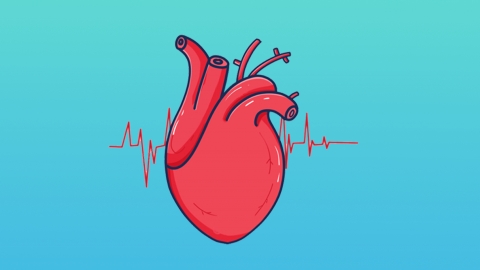
In DCM, the ventricular chambers enlarge and myocardial contractility weakens progressively, leading to a sustained decline in the heart’s pumping capacity. This may result in multiple complications, including heart failure and arrhythmias. Following early diagnosis, long-term, regular pharmacotherapy—such as heart failure–targeted medications and agents that inhibit adverse myocardial remodeling—is essential to slow ongoing structural deterioration and stabilize systemic circulatory function.
In mid-to-late stages, conventional drug therapy becomes increasingly limited in efficacy, and cardiac function continues to deteriorate. For eligible patients meeting surgical criteria, implantation of a mechanical circulatory support device or heart transplantation may be considered to sustain vital physiological functions. Consistent, long-term chronic disease management significantly reduces the risk of severe complications.
Daily lifestyle modifications—including adherence to a low-sodium diet, maintenance of regular sleep-wake patterns, appropriate regulation of physical activity to avoid overexertion, emotional stability, and avoidance of triggers such as upper respiratory infections or other illnesses—are critical for preserving cardiac function.


