


Can detachment of a deep vein thrombus lead to pulmonary embolism?

Detachment of deep vein thrombi can lead to pulmonary embolism—a clinically common, life-threatening vascular cascade disorder. Thrombi formed in the lower limbs or pelvis may dislodge and travel via venous blood flow back to the lungs, where they obstruct pulmonary arteries. Sudden onset of chest tightness, hemoptysis, and dyspnea warrants prompt medical evaluation and treatment.
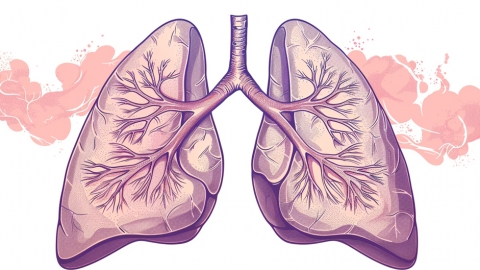
Deep vein thrombi most commonly develop within deep veins of the extremities. Prolonged bed rest, sedentary behavior, and postoperative immobilization all reduce venous blood flow velocity, thereby promoting thrombus formation. Once adherent to the vessel wall, thrombi may detach due to limb movement or changes in body position. Upon entering the pulmonary circulation, detached thrombi obstruct pulmonary vessels, impairing gas exchange in the lungs and disrupting cardiopulmonary circulation.
In clinical practice, anticoagulant medications are administered to inhibit thrombus extension and prevent new clot formation. For patients with large-volume thrombi, insertion of an inferior vena cava filter may be performed to intercept dislodged thrombi and thereby mitigate the risk of pulmonary embolism. In established cases of pulmonary embolism, thrombolytic therapy may be initiated to dissolve the obstructing clot and restore pulmonary perfusion and oxygenation.
Routinely avoid prolonged sitting or lying down; instead, perform regular limb exercises to promote venous return. Maintain a light, low-fat diet to control blood viscosity, and adhere to consistent physical activity—thereby minimizing all modifiable risk factors for thrombus formation.


