


Can emotional excitement trigger a myocardial infarction?

Emotional excitement can trigger myocardial infarction. Intense emotional fluctuations activate the sympathetic nervous system, causing a sudden rise in blood pressure and an accelerated heart rate, thereby increasing cardiac workload. Coronary arteries may undergo spasm and constriction, impairing myocardial blood supply and precipitating acute myocardial ischemia and necrosis. Persistent chest pain and profuse sweating following emotional fluctuations warrant prompt medical attention.
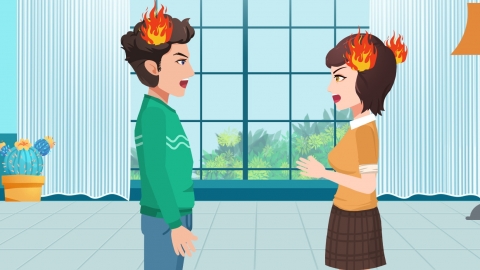
When the body experiences extreme emotions—such as rage or anxiety—heightened neural activity induces vasoconstriction and accelerates systemic blood flow, thereby increasing myocardial oxygen demand. In individuals with coronary artery atherosclerosis or stenosis, vascular regulatory capacity is compromised; severe vasospasm can abruptly interrupt myocardial perfusion, leading to ischemic necrosis within minutes and triggering an acute myocardial infarction.
Following an acute myocardial infarction, immediate bed rest is essential. Timely thrombolytic therapy should be initiated to dissolve clots and restore coronary blood flow. For patients with severe vascular occlusion, percutaneous coronary intervention (PCI) may be performed to reopen the obstructed coronary artery. Post-procedure, lifelong adherence to cardioprotective and anticoagulant medications is critical to stabilize vascular function and reduce the risk of recurrent events.
In daily life, proactively managing emotional states—maintaining psychological calmness, minimizing intense emotional fluctuations—and combining regular sleep-wake cycles with moderate physical activity help preserve cardiovascular health and enhance cardiac resilience, thereby reducing the risk of acute cardiac events.


