


Can young people also develop hypertension?

Young adults can also develop hypertension. In recent years, the incidence of hypertension among young people has been continuously rising—largely attributable to unhealthy lifestyle habits, poor dietary patterns, and adverse mental states. Hypertension in young adults is predominantly primary (essential) and mild in severity; early intervention can effectively reverse and control the condition. Frequent dizziness or a sensation of head fullness or pressure warrants prompt medical evaluation and blood pressure screening.
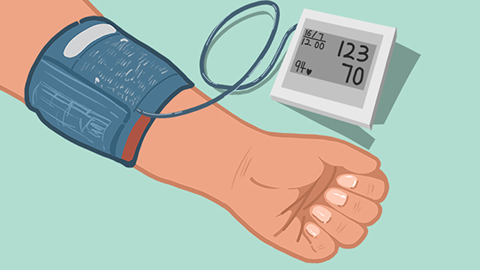
Modern young adults often engage in chronic sleep deprivation, prolonged sedentary behavior, and high-salt, high-fat diets—all of which impose sustained strain on blood vessels, leading to reduced vascular elasticity and increased peripheral resistance, thereby progressively elevating blood pressure. Some young individuals remain chronically under high psychological stress, resulting in persistent sympathetic nervous system activation and recurrent blood pressure fluctuations, ultimately culminating in sustained hypertension.
For young adults with early-stage, mild hypertension, priority should be given to non-pharmacological lifestyle modifications to manage blood pressure—medication is typically unnecessary at this stage. However, for those whose blood pressure remains persistently elevated despite lifestyle changes, gentle antihypertensive medications may be prescribed to stabilize blood pressure, alongside concurrent correction of unhealthy habits to prevent long-term blood pressure variability and associated damage to vital organs—including the heart, brain, and kidneys.
Maintain regular sleep-wake cycles and engage in moderate physical activity; limit intake of sodium and fried foods; practice emotional regulation and stress reduction techniques; support vascular health; and sustain stable blood pressure—thereby preventing recurrent episodes of abnormal blood pressure.


