


Why Do Patients with Heart Failure Develop Lower Limb Edema?

Lower limb edema in patients with heart failure primarily results from impaired cardiac pumping function, leading to obstructed systemic venous return and accumulation of excess fluid in the interstitial spaces of the lower limbs. When myocardial contractility weakens, blood pools systemically, triggering water and sodium retention and resulting in edema. If edema worsens and is accompanied by dyspnea or shortness of breath, prompt medical evaluation and treatment adjustment are essential.
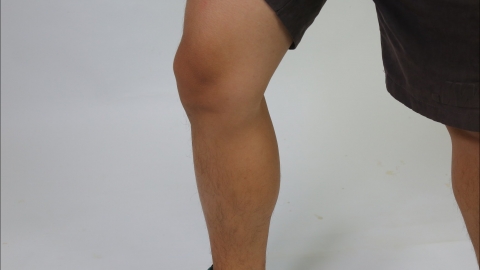
Heart failure leads to deterioration of myocardial contractile function, impairing the heart’s ability to effectively pump venous blood back to the lungs and into systemic circulation. Consequently, blood pools in dependent areas such as the lower limbs and abdominal cavity, increasing intravascular pressure and promoting transudation of fluid into surrounding tissues. Inadequate renal perfusion disrupts normal water and sodium metabolism, further exacerbating fluid and salt retention and perpetuating limb edema.
In clinical practice, diuretics are routinely used to promote excretion of excess body water and sodium, thereby alleviating systemic venous congestion. These are combined with medications that improve cardiac function and inhibit adverse myocardial remodeling, enhancing the heart’s pumping capacity and restoring normal circulatory dynamics. Consistent adherence to prescribed therapy helps prevent recurrent edema and stabilizes cardiac function.
Patients should strictly limit dietary sodium and fluid intake in daily life. Maintaining a supine position with legs elevated and performing gentle limb exercises can facilitate venous return and progressively reduce systemic congestion.


