


What Should You Do If You’ve Been Bitten by Bed Bugs?

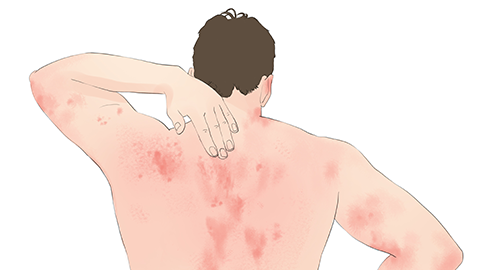
Bed bug bites can be managed through measures including cleansing the affected skin, applying cold compresses to relieve swelling and pain, using topical anti-itch medications, taking oral antihistamines, and eliminating bed bugs from the environment. Proper management of the affected area helps alleviate itching and redness and prevents further bites. If widespread rash or persistent fever develops, prompt medical evaluation and treatment at a hospital are recommended.
1. Clean the affected skin:
Wash the bite site promptly with clean water and a mild cleanser to remove residual secretions from the insect. Keeping the affected area clean and dry reduces ongoing irritation from these secretions, lowers the risk of inflammation or secondary infection, and supports initial skin recovery.
2. Apply cold compresses to relieve swelling and discomfort:
Place a clean, cool towel over the red, swollen bite area to constrict local capillaries and ease sensations of heat, itching, and swelling. Limit each cold compress session to an appropriate duration; intermittent application provides sustained relief and helps reduce local inflammatory responses.
3. Apply topical anti-itch medication:
After cleansing and drying the affected area, apply a thin, even layer of an approved topical preparation to relieve localized itching and redness and support repair of the damaged epidermis. Apply small amounts frequently to maintain comfort and avoid scratching, which could break the skin and lead to secondary infection.
4. Take oral antihistamines:
When multiple bites occur or itching is widespread, take prescribed oral antihistamines to modulate systemic immune responses and reduce generalized allergic reactions. Strictly follow medical instructions regarding dosage and treatment duration to stabilize immune function.
5. Eliminate bed bugs from the environment:
Thoroughly wash and sun-dry bedding, clothing, and linens; clear debris and clutter from crevices in rooms; and maintain a clean, dry living environment. Conduct regular pest control treatments in living spaces to disrupt bed bug habitats and prevent recurrent bites.
In daily life, ensure adequate ventilation and dryness in your home, routinely clean and treat areas such as under beds and in wall corners, wash and sun-dry personal clothing frequently, and use protective coverings (e.g., bed nets) while sleeping—these practices effectively minimize the risk of bed bug bites.


