


How is cold air allergy treated?

Cold air allergy can be improved through measures such as proper cold-weather protection, soothing the skin with lukewarm water, applying topical anti-inflammatory ointments, taking oral antihistamines, and regulating one’s immune status—thereby reducing irritation caused by cold air and alleviating symptoms like itching and rash. If symptoms such as dyspnea or widespread urticaria (hives) over the body occur, prompt medical consultation and treatment at a hospital are recommended.
1. Implement effective cold-weather protection:
When outdoors, wear a mask, scarf, and gloves to minimize direct skin exposure to cold air. Avoid going outside during periods of strong winds or rapid temperature drops to reduce opportunities for cold exposure—thus preventing allergic reactions at their source and minimizing irritation to the skin and mucous membranes.
2. Soothe the skin with lukewarm water:
After experiencing discomfort following cold air exposure, gently cleanse the skin with lukewarm water of appropriate temperature to relieve tightness and itching. Avoid using excessively hot water, which may further compromise the skin barrier; instead, help the skin gradually return to a stable state.
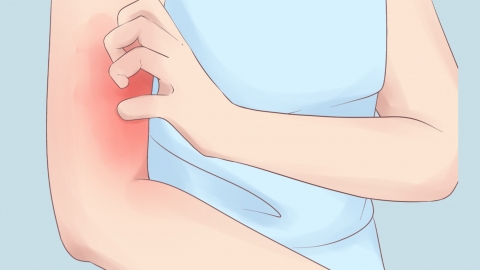
3. Apply topical anti-inflammatory ointments:
When erythema (redness) or papules appear on the skin, apply an appropriate topical preparation thinly and evenly onto dry skin to alleviate localized redness, swelling, and itching. Ensure full coverage of affected areas to minimize skin damage from scratching and to ease superficial allergic inflammation.
4. Take oral antihistamines:
For frequent allergic episodes or extensive pruritus (itching) and rash, take prescribed antihistamines to control the allergic response. Adhere strictly to your physician’s instructions regarding dosage and duration to suppress abnormal immune responses and relieve multisite discomfort.
5. Regulate your immune status:
Maintain regular sleep-wake cycles, engage in moderate physical exercise, and ensure balanced intake of essential nutrients. Long-term lifestyle adjustments can enhance overall physiological tolerance, reduce hypersensitivity to cold environments, and decrease the frequency of allergic episodes.
In daily life, closely monitor weather changes, maintain optimal indoor humidity to prevent skin dryness, and adhere to a consistent, progressive exercise regimen to gradually improve bodily tolerance—thereby reducing the likelihood of cold air–induced allergic reactions.


