


What should I do about excessive body hair?

Excessive body hair can be improved through various approaches—including adjusting daily routines and diet, temporary hair removal by shaving, chemical depilation using depilatory creams, physical hair removal via laser therapy, and medication to regulate endocrine function—thereby reducing the appearance of dense body hair to suit individual needs. If you experience sudden, rapid hair growth accompanied by symptoms such as menstrual irregularities, it is advisable to seek prompt medical evaluation and treatment.
1. Adjust Daily Routines and Diet:
Reduce intake of high-fat and high-sugar foods, maintain a consistent sleep-wake schedule, and avoid chronic sleep deprivation, which can disrupt hormonal balance. Hormonal fluctuations may stimulate hair follicles, leading to thicker and denser hair growth; stabilizing your overall physiological state can help slow excessive hair growth.
2. Temporary Hair Removal by Shaving:
Use clean, appropriate shaving tools to remove excess surface hair. This method is quick and provides immediate visual improvement. However, since hair roots remain intact, regrowth occurs rapidly and newly grown hairs may feel coarse. Handle gently during shaving to minimize the risk of skin cuts or irritation.
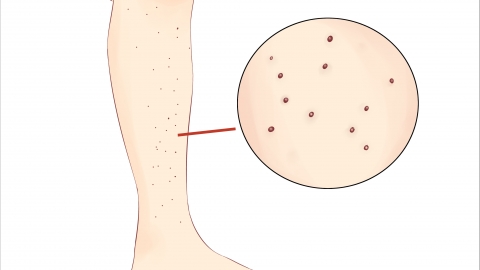
3. Chemical Depilation Using Depilatory Creams:
Depilatory creams contain chemical agents that dissolve the structural proteins of hair, removing surface hair more effectively and for a longer duration than shaving. Prior to use, perform a patch test on a small area of skin to assess sensitivity. Strictly adhere to recommended application times to minimize skin irritation, and avoid applying to broken, inflamed, or reddened skin.
4. Physical Hair Removal via Laser Therapy:
Laser hair removal utilizes targeted photothermal energy to damage hair follicles, thereby inhibiting their regenerative capacity. Multiple sessions are typically required to achieve sustained hair reduction. Post-treatment, the skin may become more sensitive; therefore, diligent sun protection and moisturization are essential to reduce the risk of pigmentary changes.
5. Medication to Regulate Endocrine Function:
When excessive hair growth stems from endocrine disorders (e.g., polycystic ovary syndrome), medications prescribed by a physician can help normalize hormonal levels. Adhere strictly to the prescribed dosage and treatment duration to address the underlying hormonal imbalance, thereby reducing stimulation of hair follicles and improving generalized hirsutism.
In daily life, avoid repeatedly stimulating hair follicles; after hair removal, prioritize skin hydration and sun protection; monitor bodily changes related to hormonal status; and select the most appropriate hair management method based on your individual condition.


