


Is cold urticaria serious?

Cold urticaria is generally mild in most cases, manifesting only as localized wheals and pruritus without involvement of vital organs; thus, excessive concern is unnecessary. However, a minority of patients may experience systemic reactions during episodes, with potential disease progression. Frequent episodes or accompanying symptoms such as dizziness and chest tightness warrant prompt medical evaluation and intervention.
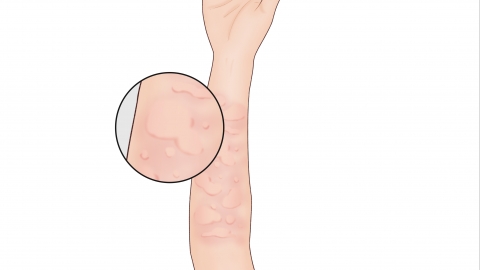
Cold urticaria is an allergic skin reaction triggered by exposure to cold stimuli. It results from altered permeability of cutaneous microvessels, leading to localized edema and wheal formation. In mild cases, patients experience only transient skin discomfort, which resolves spontaneously upon withdrawal from the cold environment. Clinically, antihistamines are routinely prescribed to stabilize vascular function and reduce episode frequency.
In some patients, symptoms are more severe: exposure to cold wind or cold water may provoke widespread cutaneous eruptions and facial swelling, accompanied by systemic symptoms such as palpitations and fatigue. Recurrent episodes can significantly disrupt daily activities and routines. Consistent pharmacotherapy combined with preventive measures helps maintain physiological stability and lowers the risk of recurrence.
In daily life, comprehensive thermal protection should be maintained; sudden exposure to cold environments should be avoided. Engaging in regular, moderate aerobic exercise helps improve constitutional resilience, while consistent sleep-wake patterns support robust immune function—gradually enhancing the skin’s tolerance to cold environments.


