


How is a subcutaneous abscess treated?

Subcutaneous abscesses can be treated through daily local care, local heat therapy, topical antibacterial ointments, oral anti-infective medications, and incision and drainage to control localized inflammation, evacuate accumulated pus, and alleviate symptoms such as swelling, pain, and fever. If persistent high fever or rapid abscess spread occurs, prompt medical evaluation and treatment at a hospital are strongly recommended.
1. Daily Local Care:
Maintain cleanliness and dryness of the skin surrounding the abscess; avoid squeezing or rubbing the affected area, and minimize continuous friction from clothing. Follow a light diet, limit intake of spicy and irritating foods, and maintain regular sleep patterns to support the body’s natural immune response against inflammation.
2. Local Heat Therapy:
Before the abscess has fully liquefied, apply warm compresses to the affected area to promote local blood circulation and accelerate localized inflammatory absorption. Limit the duration of each heat application and monitor skin sensation closely; discontinue heat therapy once the abscess ruptures.
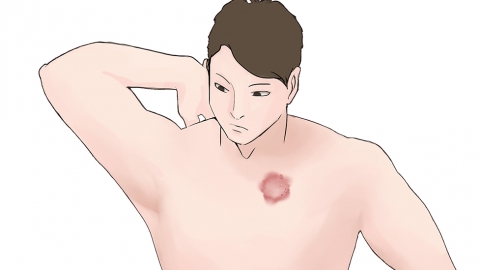
3. Topical Antibacterial Ointment:
When the overlying skin remains intact, apply topical antimicrobial agents to the perilesional skin to inhibit superficial bacterial proliferation. Apply the ointment to cover the margins of the erythematous and swollen area—but avoid applying it directly to sites where rupture is imminent—and monitor changes in redness and swelling continuously.
4. Oral Anti-Infective Medication:
When erythema is extensive and pain progressively worsens, take prescribed anti-infective medications as directed by a healthcare provider to prevent bacterial dissemination. Complete the full prescribed course, monitor for systemic reactions, and prevent deeper soft-tissue involvement.
5. Incision and Drainage:
Once the abscess has fully liquefied and exhibits fluctuance, perform incision and drainage to evacuate purulent material and debride necrotic tissue. After surgery, change dressings regularly, ensure unobstructed drainage, and facilitate gradual wound healing via granulation tissue formation.
Monitor daily for changes in lesion size and pain intensity. During wound healing, minimize vigorous limb movement and keep the wound site dry to reduce the risk of recurrent suppurative infection.


