


How to effectively treat paronychia

Paronychia can be treated through daily nail care, warm-water soaks, topical antibacterial ointments, oral anti-infective medications, and local surgical correction—thereby alleviating redness, swelling, and pain around the nail, controlling localized infection, and preventing inflammation from spreading further beneath the nail. If extensive purulent discharge occurs at the fingertip tip or is accompanied by persistent fever, prompt medical evaluation and treatment at a hospital are recommended.
1. Daily Nail Care:
When trimming nails, keep them level and avoid cutting them too short to prevent the nail edge from penetrating surrounding soft tissue. Minimize exposure of fingers and toes to contaminated water or dirty objects; choose well-fitting, loose footwear and socks to reduce the risk of trauma and inflammation of perionychial skin.
2. Warm-Water Soak Therapy:
During early-stage inflammation without obvious pus formation, soaking the affected area in warm water helps relieve perionychial swelling and pain while promoting local blood circulation. Perform this several times daily for an appropriate duration each time to help localize the inflammation and alleviate erythema and warmth in the soft tissues.
3. Topical Antibacterial Ointment:
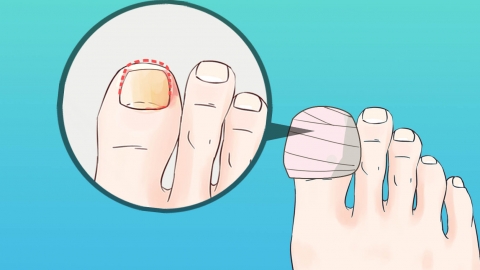
When perionychial skin is red and swollen but unbroken and non-suppurative, clean and dry the area thoroughly before applying a topical antimicrobial preparation to suppress local bacterial proliferation. Apply evenly over the inflamed skin region and monitor for changes; discontinue self-administration if symptoms worsen.
4. Oral Anti-Infective Medication:
When redness and swelling expand and pain intensifies, take prescribed anti-infective medication as directed by a physician to halt further bacterial spread. Adhere strictly to the prescribed dosing schedule and complete the full course of treatment to prevent deep-tissue invasion and disease progression.
5. Local Surgical Correction:
In cases of recurrent paronychia or subungual abscess formation, surgical intervention may be performed to drain the pus and correct ingrown nails. Postoperatively, change dressings regularly, protect the wound, and minimize the likelihood of subsequent recurrence.
To reduce recurrence, avoid trauma or compression to fingertips during daily activities; wear protective gear when working; refrain from pulling or tearing cuticles or hangnails; trim nails properly; and maintain integrity of the perionychial skin.


