


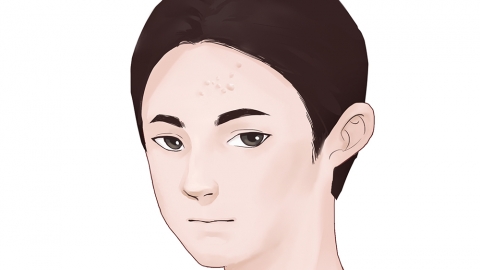
What should I do about acne on my forehead?

Acne on the forehead can be improved through various approaches, including adjusting daily routines and diet, gentle facial cleansing, topical anti-acne medications, oral anti-inflammatory drugs, and physical interventions such as red and blue light therapy. These methods help regulate sebum production on the forehead, unclog obstructed pores, and reduce localized inflammatory papules. If acne becomes widespread with pus formation, persistent swelling and pain, or continues to spread, prompt medical consultation and treatment at a hospital are recommended.
1. Adjust Daily Routines and Diet:
Reduce intake of sugary and fried foods, maintain a consistent sleep schedule, and avoid chronic sleep deprivation. Staying up late and consuming high-sugar foods stimulate sebaceous glands to overproduce sebum, leading to follicular pore blockage and increasing the likelihood of recurrent forehead acne.
2. Gentle Facial Cleansing:
Select a facial cleanser suited to your skin type to remove excess oil from the forehead; avoid vigorous rubbing of the skin. Refrain from prolonged use of heavy foundations or hair waxes on the forehead area to minimize external occlusion of pores and maintain epidermal permeability.
3. Topical Anti-Acne Medications:
When inflammatory papules or closed comedones appear on the forehead, apply a thin layer of topical medication to clean, dry affected areas. This helps dissolve follicular keratin plugs and suppress local bacterial proliferation. Consistent, regular application alleviates redness and swelling and gradually resolves surface acne lesions.
4. Oral Anti-Inflammatory Medications:
For cases with numerous acne lesions and recurrent inflammation, take prescribed oral medications under medical supervision. These agents modulate sebum production internally and mitigate widespread cutaneous inflammation. Completing the full course of treatment as scheduled helps slow the emergence of new papules.
5. Red and Blue Light Physical Therapy:
When acne inflammation is stubborn and shows limited response to medication, adjunctive red and blue light therapy may be considered. This treatment inhibits the activity of *Cutibacterium acnes* and soothes erythema and swelling. After treatment, ensure adequate moisturization and sun protection to prevent skin dryness and post-treatment redness.
In daily life, pay attention to friction and occlusion of the forehead skin caused by bangs or hats. After sweating, promptly cleanse forehead oil to maintain skin dryness and minimize follicular obstruction—thereby reducing the risk of recurrent acne.


