


What Are the Treatment Options for Acne in Adolescence?

Acne during puberty can be managed through various interventions, including adjusting daily routines and diet, standardizing facial cleansing and skincare, applying topical anti-acne medications, taking oral regulatory medications, and undergoing physical therapies such as red and blue light treatment. These approaches help regulate sebaceous gland secretion, unclog obstructed hair follicles, reduce skin inflammation, and minimize the formation of comedones and inflammatory papules. If widespread pustular acne or persistent, severely painful nodules and cysts develop, prompt medical consultation and treatment at a hospital are strongly recommended.
1. Adjust Daily Routines and Diet:
Reduce intake of high-sugar foods, fried foods, and dairy products; maintain regular sleep patterns and avoid staying up late. Hormonal fluctuations caused by irregular sleep schedules may stimulate excessive sebum production, exacerbating follicular obstruction and triggering further breakouts.
2. Standardize Facial Cleansing and Skincare:
Select gentle facial cleansers to remove excess oil without over-stripping the skin. Avoid frequent exfoliation and minimize use of heavy makeup or occlusive skincare products. Keep pores clear, refrain from aggressive squeezing of lesions, and prevent inflammatory spread—thereby lowering the risk of post-acne hyperpigmentation and scarring.
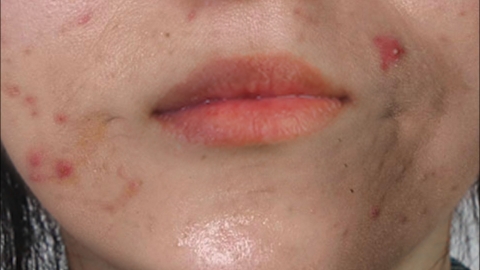
3. Topical Anti-Acne Medications:
For mild comedones and inflammatory papules, apply topical medications thinly onto clean, dry affected areas. These agents help dissolve follicular keratin plugs and inhibit Propionibacterium acnes proliferation. Consistent, long-term use gradually resolves superficial lesions and alleviates localized erythema.
4. Oral Regulatory Medications:
When acne is widespread and numerous nodules or cysts have formed, follow your physician’s prescription for appropriate oral medications to modulate sebum production and reduce deep-seated cutaneous inflammation. Complete the full prescribed course to slow the emergence of new, severe lesions.
5. Red and Blue Light Phototherapy:
For stubborn inflammation with suboptimal response to medication alone, red and blue light therapy can be employed to suppress bacterial activity and soothe erythema and swelling. After treatment, prioritize moisturization and sun protection to alleviate dryness and sensitivity.
In daily life, minimize touching your face with your hands; cleanse the skin promptly after sweating during exercise; maintain emotional stability; and commit to long-term, consistent skincare—thus reducing the likelihood of recurrent adolescent acne.


