


What Is Osteonecrosis?

Osteonecrosis (also known as avascular necrosis) is a bone disorder caused by an interruption of blood supply to the bone tissue. It most commonly affects the femoral head. When bone cells are deprived of oxygen and nutrients due to compromised blood flow, they progressively die and collapse, ultimately disrupting the normal architecture of the joint. The disease progresses slowly and chronically impairs limb mobility. Symptoms such as dull aching or discomfort in the hip and restricted joint movement warrant prompt medical evaluation.
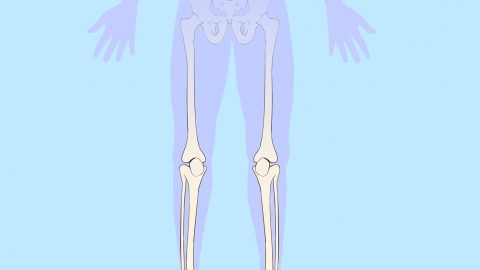
Osteonecrosis is frequently triggered by prolonged corticosteroid use, excessive alcohol consumption, or traumatic injury to bones or joints—factors that impair local bone circulation. This leads to progressive osteocyte apoptosis and subsequent bone structural deterioration, including osteoporosis and microfractures. In early-stage disease, joint mobility remains largely unaffected; interventions such as improving local circulation, reducing weight-bearing stress, and pharmacologic therapy can help slow bone destruction and preserve joint function.
As the condition advances into its intermediate or late stages, bone collapse and narrowing of the joint space occur, resulting in persistent pain and difficulty walking. Conservative management cannot reverse established bone necrosis. For severe cases, joint replacement surgery may be indicated to reconstruct joint anatomy, restore normal gait and range of motion, and improve overall quality of life.
In daily life, avoid heavy alcohol consumption, minimize repetitive weight-bearing activities and high-impact exercise on the affected joints, maintain regular sleep patterns and a balanced diet, and ensure adequate intake of calcium and protein to support bone strength. Long-term strategies should focus on sustaining healthy bone and joint circulation and structural integrity.


