


Is back bone pain a disease?

Back bone pain is not necessarily caused by organic disease; it may stem from physiological strain-induced soreness or pathological pain arising from bone or spinal disorders. Most everyday strain-related pain resolves spontaneously, whereas pain caused by bone pathology tends to persist and progressively worsen. Recurrent back pain and stiffness during movement warrant prompt medical evaluation to identify the underlying cause.
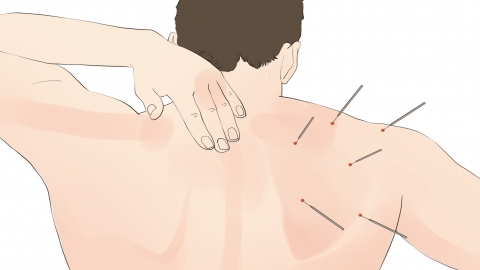
Most cases of back pain originate from musculoskeletal strain due to prolonged sitting, poor posture, or exposure of the lower back to cold—representing a somatic fatigue response. Such pain typically manifests as dull aching, tightness, or stiffness, often easing slightly with movement and without evidence of structural bone damage. Daily management includes correcting posture, applying local heat therapy, and performing gentle stretches to relax the back muscles—thereby improving local blood circulation and alleviating discomfort.
Pathological bone pain in the back commonly results from conditions such as thoracic vertebral degeneration, osteophyte formation (bone spurs), or spondylitis, all involving structural abnormalities of the bone. These conditions lead to persistent stabbing or tenderness upon palpation, often accompanied by restricted mobility. Mild cases may improve with physical therapy and anti-inflammatory supportive care; however, more severe skeletal disorders require standardized, symptom-targeted treatment to prevent further progression.
In daily life, maintain proper sitting and standing posture, avoid prolonged bending or slouching, take regular breaks to stand up and stretch the lumbar and dorsal regions, ensure adequate warmth for the back, and incorporate appropriate strengthening exercises for the lumbar and dorsal musculature to enhance muscular support for the spine and bones.


