


Are prominent bones on both sides of the face indicative of a medical condition?

Protrusion of the bones on both sides of the face is not necessarily pathological; in many individuals, it represents a normal facial feature resulting from naturally prominent zygomatic bones. In such cases, only the external contour appears more pronounced, with no associated discomfort or symptoms. However, rapid enlargement of the bone over a short period—especially when accompanied by swelling, pain, or numbness—warrants concern for underlying pathology. Prompt medical evaluation is essential if facial bones enlarge rapidly and become painful.
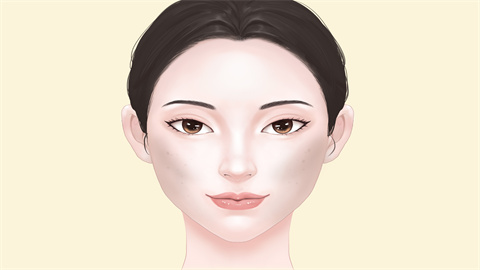
Zygomatic prominence resulting from congenital skeletal development is a normal anatomical variation and does not impair masticatory function, nerve function, or other facial physiological activities; therefore, no specific intervention is required. In some individuals, facial fat loss due to weight loss may render the zygomatic bones appear more prominent visually. Improving nutritional intake to restore facial soft-tissue volume can effectively modify this appearance without requiring medical intervention.
In rare cases, pathological conditions—including bone cysts, osteophytosis (bone overgrowth), or jawbone disorders—may cause abnormal zygomatic protrusion. These conditions are often associated with localized distension, pain, restricted mouth opening, or facial numbness. Mild lesions may be managed through regular monitoring; however, if progression occurs and surrounding tissues or nerves become compressed, surgical intervention may be indicated to halt further disease advancement.
Maintain a balanced diet to sustain a healthy body fat percentage. Avoid prolonged unilateral chewing, which may lead to asymmetric development of the masticatory muscles. Also, minimize repeated external trauma to the facial bones to preserve stability of the maxillofacial structures.


