


What does bone calcification mean?

Osseous calcification refers to the physiological or pathological deposition of calcium salts within bone tissue, characterized by the progressive accumulation of calcium substances in bone and surrounding soft tissues, resulting in localized tissue hardening. Most physiological calcifications require no intervention; however, abnormal calcifications can impair joint mobility. If you experience joint stiffness or pain during movement, prompt medical evaluation is recommended.
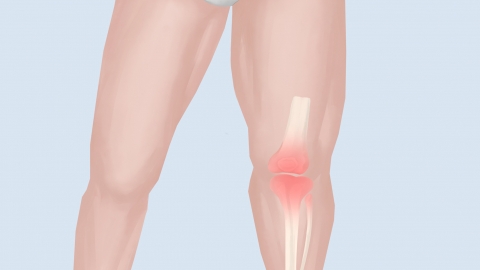
Physiological osseous calcification commonly occurs in middle-aged and older adults and represents a normal aspect of skeletal aging. Calcium salts deposit uniformly within bone tissue, enhancing bone hardness and maintaining structural support. This type of calcification is asymptomatic and does not require treatment—only routine skeletal care and periodic monitoring of bone health are necessary.
Pathological calcification typically affects soft tissues such as joints, ligaments, and synovial membranes. Abnormal calcium salt deposition leads to hardened lesions, causing symptoms including joint soreness, stiffness, and restricted mobility. Mild cases may benefit from physical therapy and rehabilitative exercises to improve local circulation and alleviate discomfort. When lesions compress adjacent tissues and cause symptoms, symptomatic treatment can be employed to restore joint function.
In daily life, ensure adequate intake of calcium and vitamin D, engage in regular moderate outdoor exercise, avoid prolonged sitting or standing, and minimize excessive joint loading or repetitive strain injuries—these measures help maintain skeletal metabolic balance and delay the onset of abnormal calcification.


