


What should I do if a bone is displaced?

Bone displacement can be managed through various approaches, including temporary immobilization and protection, manual reduction, immobilization and rest, symptomatic medication, or surgical reduction. Displacement disrupts the normal anatomical alignment of bones and may damage surrounding soft tissues, nerves, and blood vessels. The appropriate treatment strategy should be selected based on the severity of the displacement. If symptoms such as limb coldness, numbness, or local skin breakdown occur, prompt medical evaluation and treatment at a hospital are strongly recommended.
1. Temporary Immobilization and Protection:
Upon identifying bone displacement, avoid moving the affected area unnecessarily. Use rigid boards and cloth strips to temporarily immobilize the injured limb. This minimizes the risk of secondary misalignment, prevents further traction injury to nerves and blood vessels, and reduces the likelihood of worsening local swelling and bleeding.
2. Manual Reduction:
In cases of mild displacement without severe soft-tissue entrapment, trained healthcare professionals may perform manual reduction to restore the bone to its anatomical position. Following the procedure, imaging studies (e.g., X-ray or CT) must be repeated to confirm proper realignment.
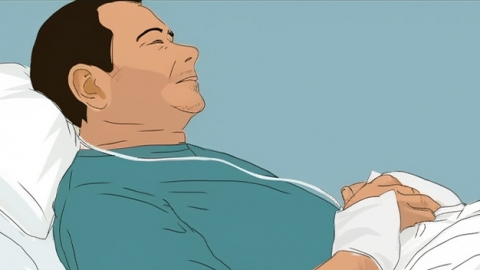
3. Immobilization and Rest:
After successful reduction, the affected area is immobilized using plaster casts or orthotic braces to restrict joint and bone movement. This maintains skeletal stability, minimizes external disturbances, and allows injured bone tissue and ligaments to heal progressively.
4. Symptomatic Medication:
When significant local pain and swelling are present, pharmacologic agents may be used to alleviate discomfort and reduce inflammatory edema. Medications should be administered strictly according to prescribed dosages and used in conjunction with immobilization and rest to optimize symptom relief and recovery.
5. Surgical Reduction:
Severe displacement—particularly when accompanied by nerve or vascular compression or interposed fracture fragments—requires surgical intervention. Under direct visualization, the bone is repositioned, and internal fixation (e.g., plates and screws) is applied. Concurrently, damaged surrounding structures are repaired.
During convalescence, maintain a balanced diet rich in calcium and high-quality protein. Once initial bone healing has occurred, begin gradual, progressive rehabilitation exercises to restore pre-injury range of motion and functional capacity.


