


Can patients with osteophytosis eat crab?

Individuals with osteophytosis (bone spurs) may consume crab. Crab is rich in high-quality protein and trace elements, which help supply nutrients essential for bone metabolism and do not directly exacerbate osteophyte formation. However, crab has a relatively high purine content; thus, individuals with gout or seafood allergies should avoid it. Persistent joint swelling, pain, or restricted mobility warrants prompt medical evaluation.
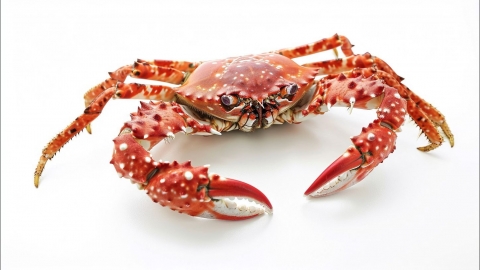
Osteophytosis is a degenerative joint condition resulting from compensatory bony overgrowth following cartilage wear. Dietary interventions cannot eliminate existing osteophytes. Calcium and protein in crab provide raw materials for cartilage and bone repair; therefore, moderate, portion-controlled consumption is acceptable. Individuals with seafood allergy or elevated serum uric acid levels are at increased risk of joint discomfort after eating crab and should abstain.
The primary focus of managing osteophytosis lies in joint protection. For mild cases, rest, local physical therapy, and functional exercises are emphasized to reduce mechanical stress on the joints. During painful flare-ups, anti-inflammatory and analgesic medications may be used for symptomatic relief. When severe osteophyte formation compresses nerves—causing numbness or weakness—targeted treatments based on clinical assessment may be initiated to improve joint function and mobility.
In daily life, maintaining a healthy weight helps reduce joint loading; protecting joints from cold and ensuring adequate warmth is important; gentle flexion and extension exercises should be performed regularly; and a varied, balanced diet supports cartilage health, thereby slowing cartilage degradation and decreasing the frequency of joint discomfort episodes.


