


Is a shoulder brace effective for patients with periarthritis of the shoulder?

Using a shoulder brace offers some benefits for patients with adhesive capsulitis (frozen shoulder). A shoulder brace provides mechanical support to the shoulder, helps block cold exposure, and reduces the strain on shoulder muscles caused by prolonged traction. However, it cannot cure adhesive capsulitis and must not replace standardized medical treatment. If shoulder pain progressively worsens or if raising the arm becomes increasingly difficult, prompt medical evaluation and treatment are essential.
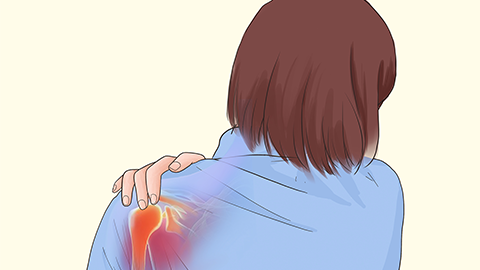
Adhesive capsulitis is a sterile inflammatory condition affecting the soft tissues surrounding the shoulder joint, often accompanied by tissue adhesions that lead to shoulder pain and restricted range of motion. A shoulder brace stabilizes shoulder posture externally, minimizes inadvertent excessive movement, and helps maintain local warmth—thereby alleviating muscle spasm–related soreness. However, the brace should not be worn too tightly; prolonged use may weaken the shoulder musculature and hinder recovery.
The cornerstone of adhesive capsulitis treatment focuses on releasing adhesions and restoring joint mobility. In mild cases, adjunctive measures—including heat therapy, gentle stretching, and physical therapy—can help relax soft tissues and reduce inflammation. For more severe pain, symptomatic medications may be used to alleviate discomfort. In cases of persistent, severe adhesions and markedly restricted motion, professional manual or instrumental adhesion release may be performed, followed by progressive rehabilitation to restore shoulder joint function.
In daily life, perform scheduled shoulder-stretching exercises regularly; avoid maintaining the same posture for extended periods; ensure adequate shoulder warmth during nighttime rest; and gradually increase joint movement to preserve shoulder range of motion and minimize recurrent inflammation.


