


What foods can help with osteoporosis?

Osteoporosis can be managed through dietary supplementation with foods such as milk, salmon, tofu, Chinese flowering cabbage (bok choy), and dried shrimp. These foods are rich in calcium or contain nutrients that enhance calcium absorption, thereby supporting the mineral reserve of bones and slowing down bone mass loss. If you experience frequent severe lower back or spinal pain, or sustain fractures from minor trauma, seek prompt medical evaluation and treatment.
1. Milk:
Milk contains abundant, highly bioavailable calcium, along with various amino acids and milk proteins that facilitate efficient human absorption and utilization. Regular, moderate consumption provides a sustained supply of bone-building nutrients. Combined with daily sun exposure, it helps maintain stable bone mineral density.
2. Salmon:
Salmon is rich in high-quality protein and vitamin D. Vitamin D enhances intestinal absorption of calcium. Moderate intake helps reduce calcium loss through metabolism, supplies essential nutrients for bone turnover, and slows the progressive decline in bone mass.
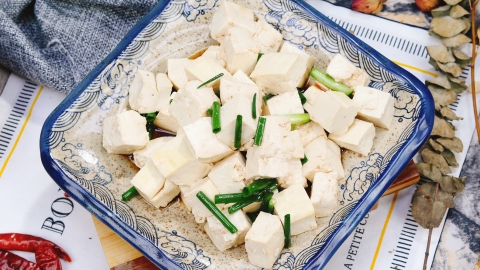
3. Tofu:
Manufactured from soybeans, tofu is typically coagulated using calcium-based agents, resulting in a relatively high calcium content. It is also rich in plant-based protein, making it suitable for individuals seeking to optimize their dietary structure. Consistent intake helps replenish essential minerals required for bone health.
4. Chinese Flowering Cabbage (Bok Choy):
This leafy green vegetable is naturally high in calcium and also contains trace minerals such as magnesium and potassium, which support healthy bone metabolism. Incorporating it regularly into meals—especially alongside staple foods—enhances overall dietary diversity and helps compensate for insufficient calcium intake.
5. Dried Shrimp:
Dried shrimp has a very high calcium density; even small portions deliver substantial amounts of this essential mineral, making it an excellent dietary supplement. To maximize benefit, consume it in moderation and combine it with other calcium-rich foods to synergistically support the calcium requirements for bone growth and maintenance.
Additionally, allocate time daily for sun exposure to promote natural vitamin D synthesis; engage consistently in gentle weight-bearing activities; undergo regular bone mineral density monitoring; and adjust your dietary composition accordingly—all to help delay the loss of skeletal calcium.


